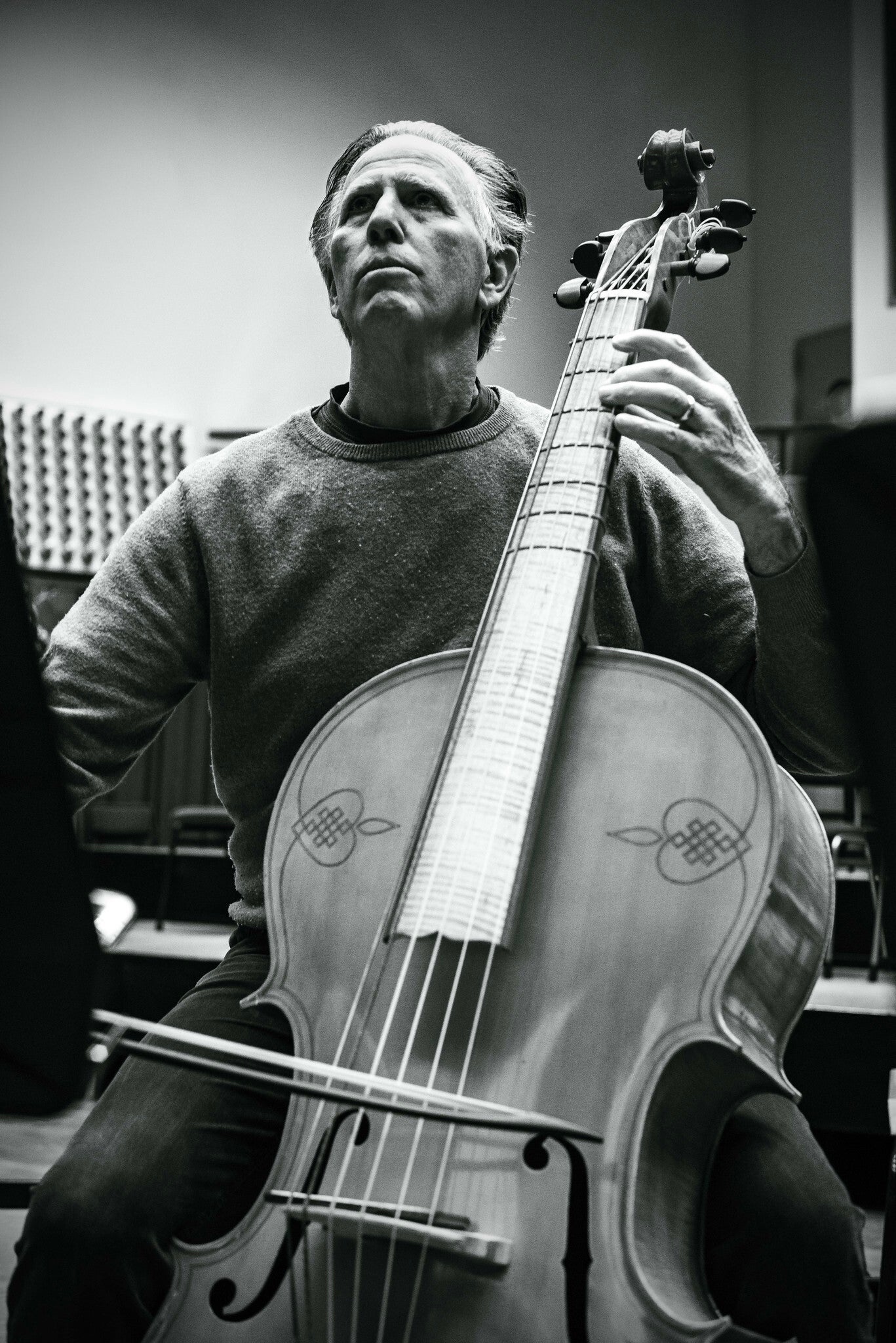
Every Month I will highlight a lens from my collection of legacy lenses, discuss its history, characteristics, pros and cons, and where I found it, if I can remember.. I will include some pictures that are hopefully telling of its specific qualities.
You can click on the images for more detail, and move it around using two fingers, when using a laptop, like my Macbook pro, or double-click when on a smartphone.
Lens of the month May 2026
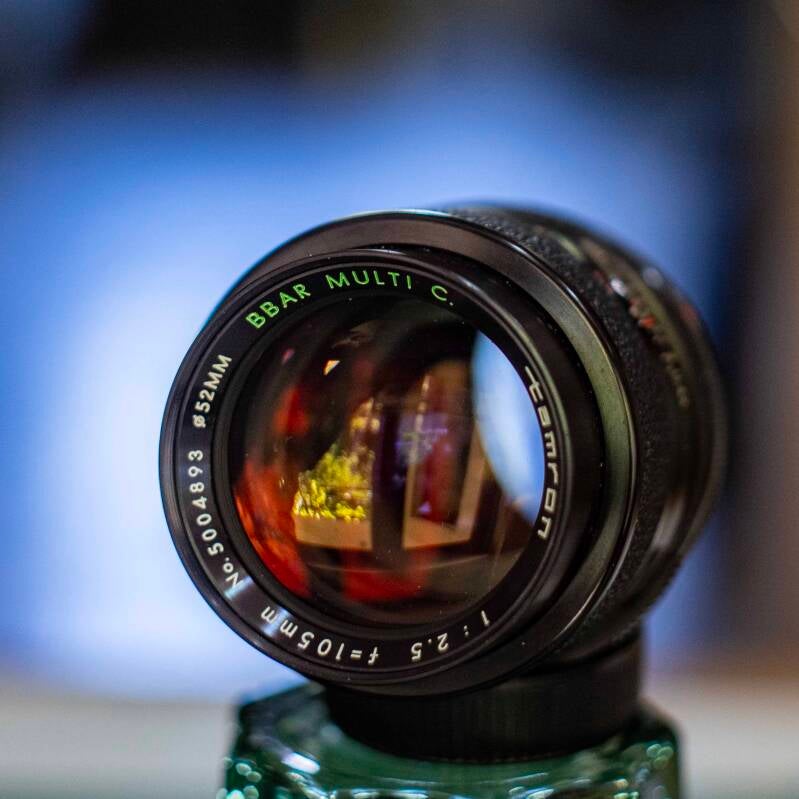
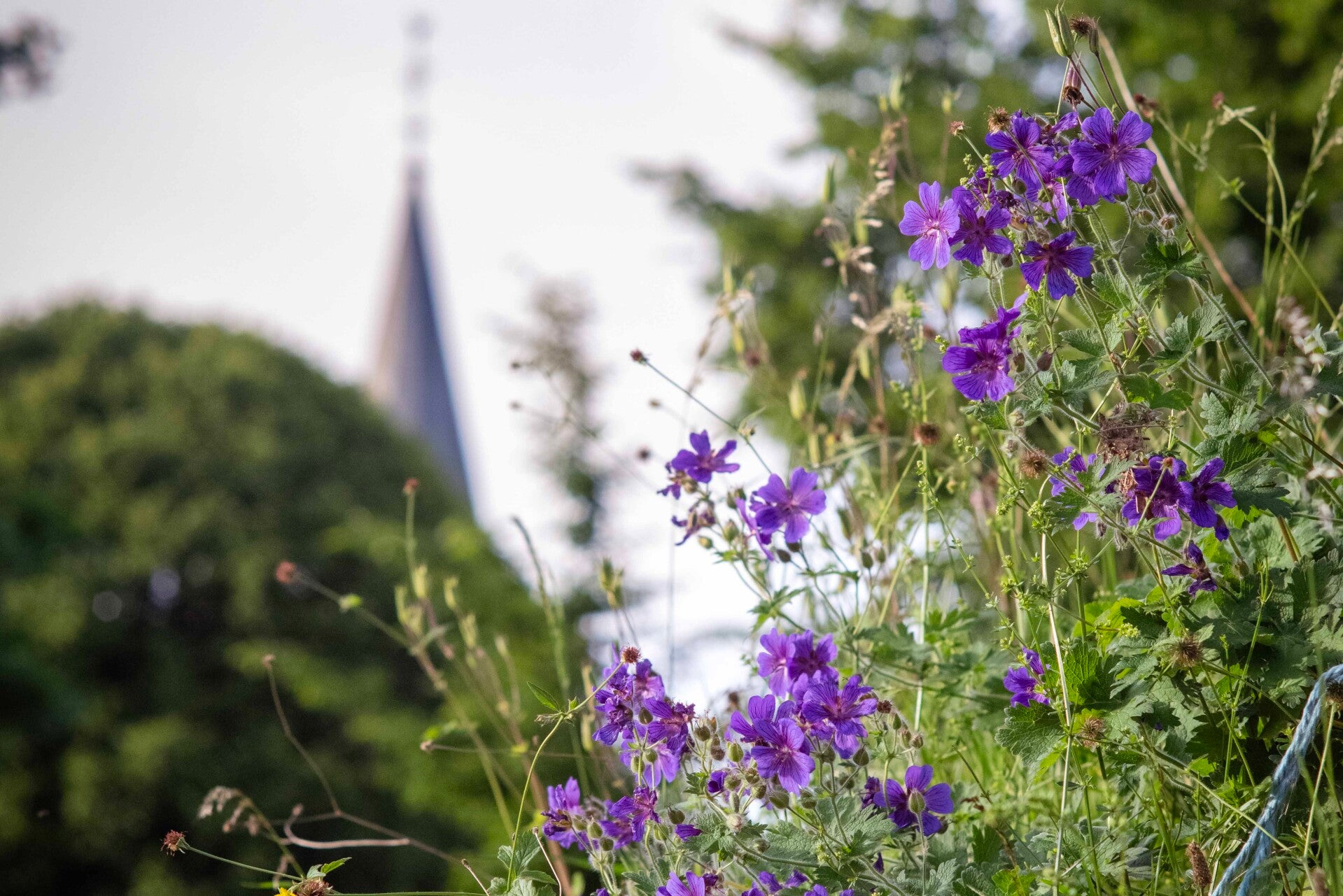
Another one from that excellent line of Tamron lenses: the Tamron Adaptall BBAR Multi C 105mm 1:2.5
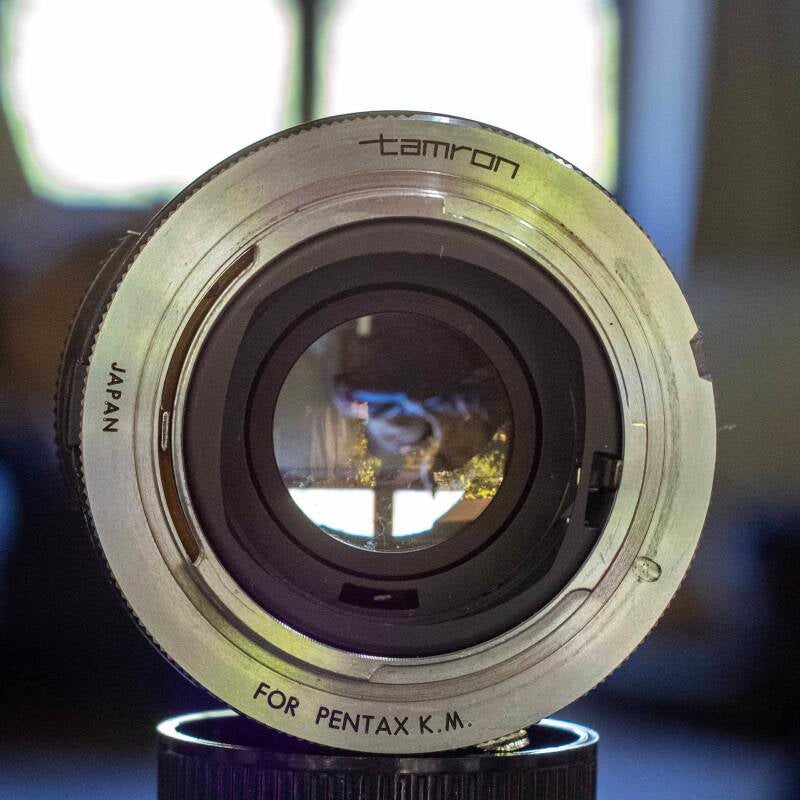
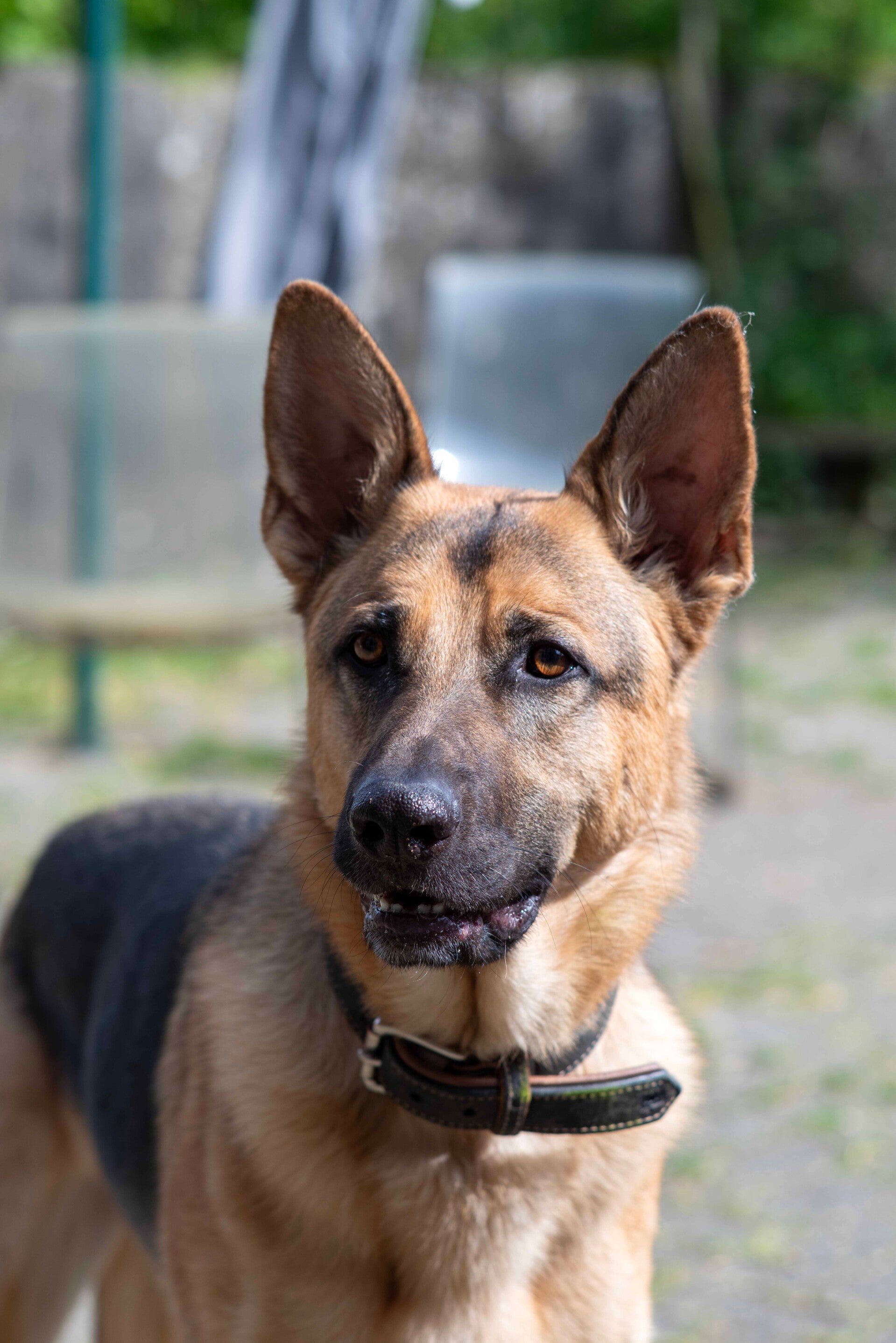
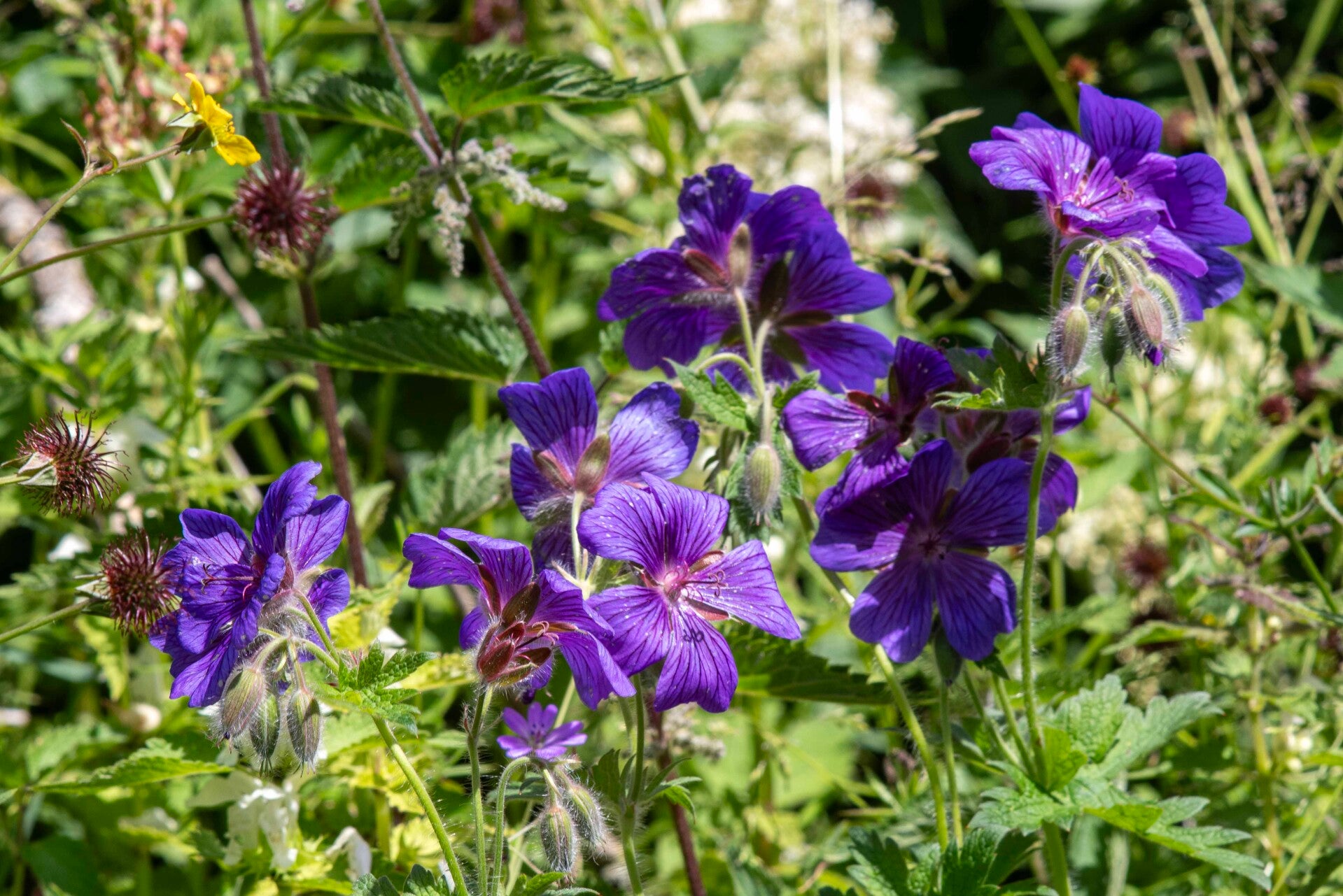
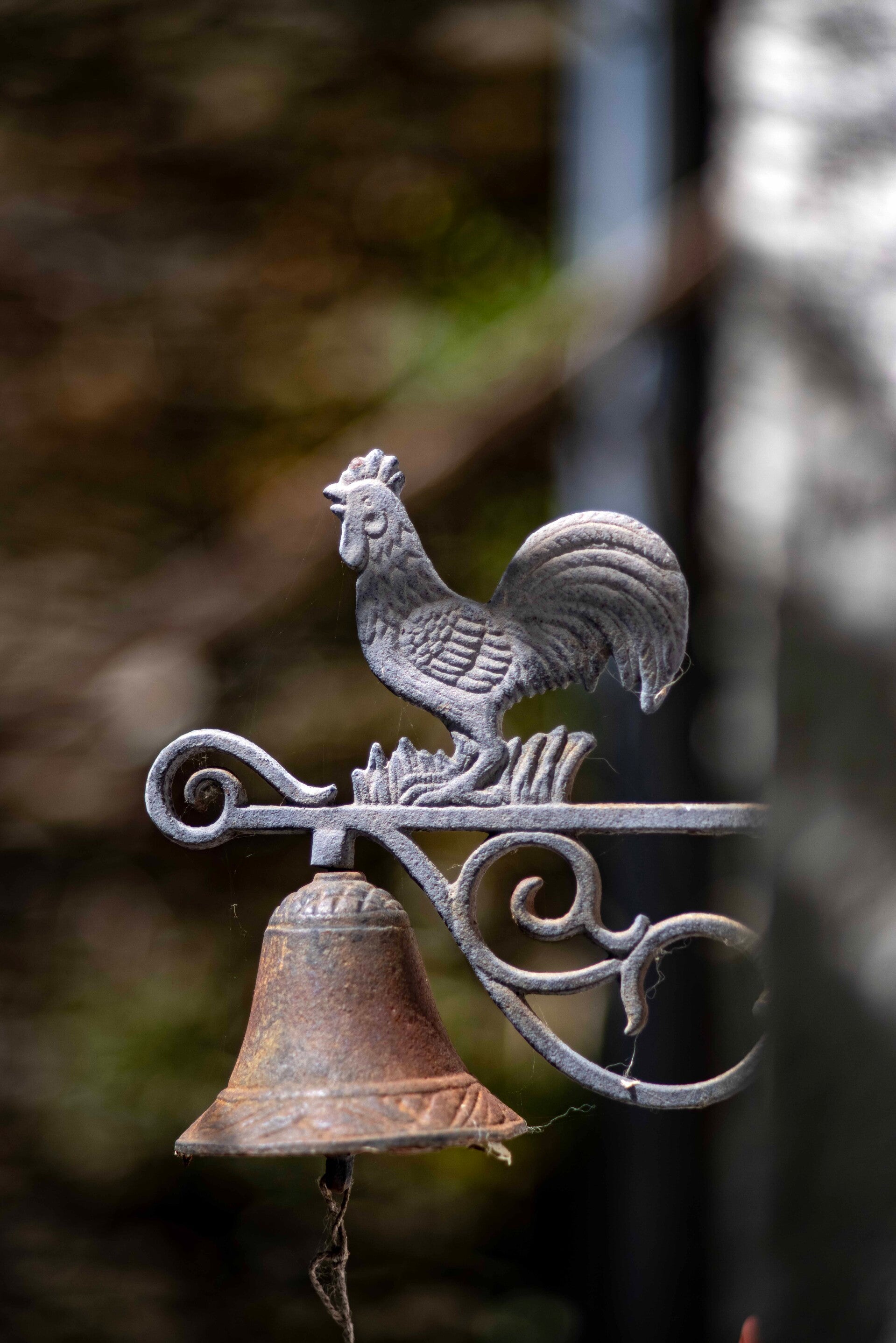
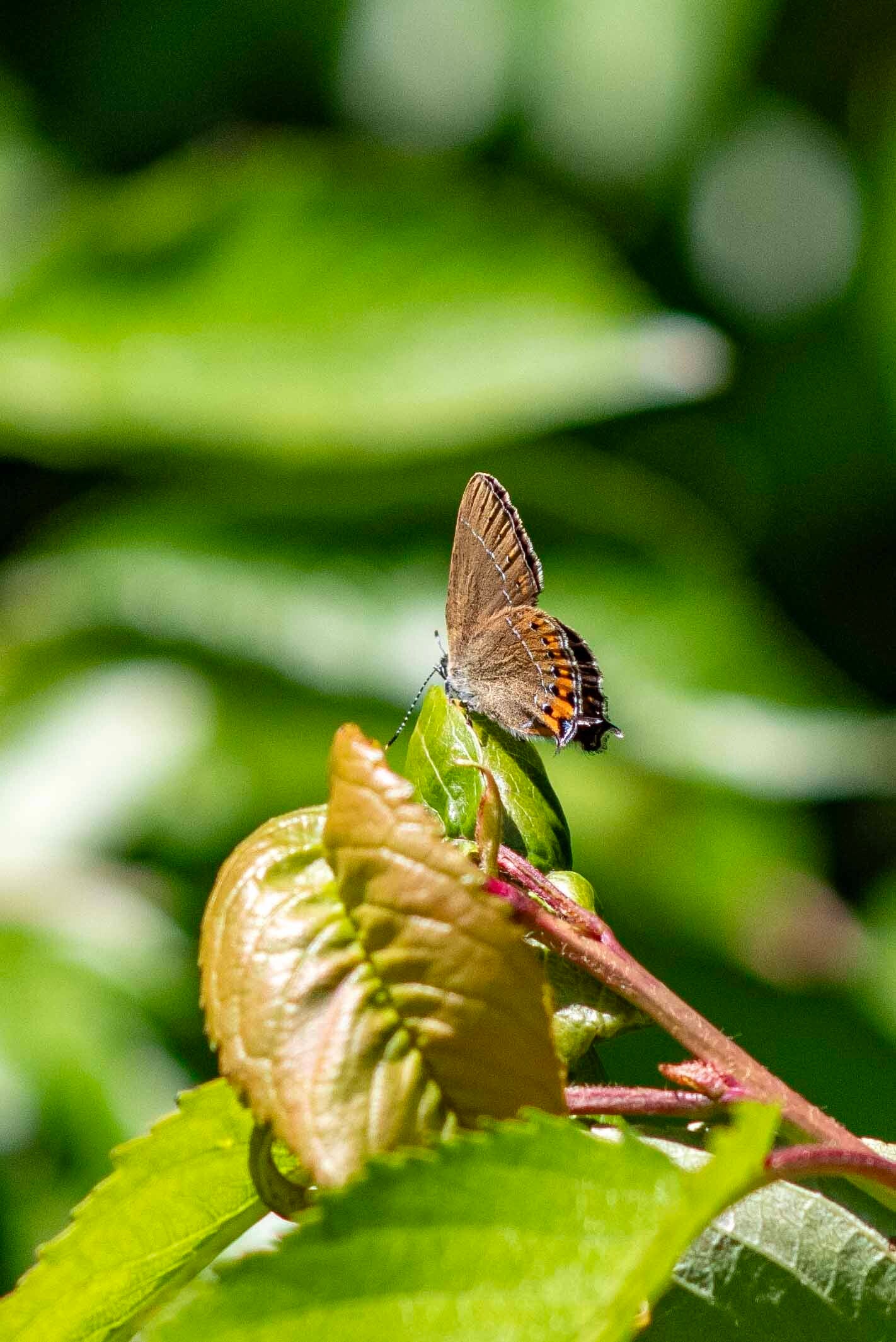
Last month I discussed the 200mm F/3.5, I have owned the 28mm F/2.5 for a long time and recently I was lucky to find this lens on a flea market in Longchamps, with a Canon AE 1 attached to it, for €10. These lenses have an adapter so this specific one was for Canon, but they are not called “Adaptall” for no reason, and I knew I had two PK- Adaptalls for my Pentax system at home. So back home I tried it out immediately and it is very sharp with nice bokeh due to (6) well rounded aperture blades, and lovely colour rendering. BBAR stands for: broad-band anti-reflection.
This lens was in production in 1976-1979, which coincides with my first three years in high school, it is compact and light and its minimum focusing distance is 127cm, which is the only drawback I can think of so far. Here you can find more specs if you want:
https://japb.net/gear/gear-review-index/ds_tamron-adaptall-105f25/
There are two versions of this lens, but it is unclear to me which one I have: it looks most like the one discussed here if it weren’t for the M42 mount and A/M switch, which my lens lacks.
https://www.pentaxforums.com/userreviews/tamron-adaptall-105mm-f-2-5-ct-105.html
I am curious to find a list of all available lenses with this system. I have not extensively tried it for portraits, but it does look promising! Here is some info but it does not seem that the BBAR qualifications apply to a complete series. The Adaptall 2 works on more generations of Tamron lenses, including the excellent SP series.
Pros: Optical quality, fast, bokeh, compact, light, Adaptall 2, rarity.
Cons: MFD 127 cms



Lens of the month April 2026:
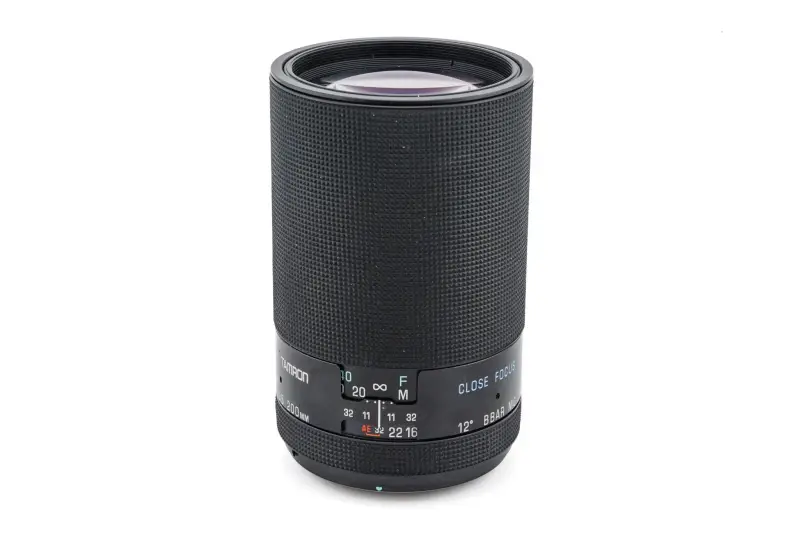
Tamron Adaptall-2 (04B) 200mm F/3.5 BBAR Close Focus
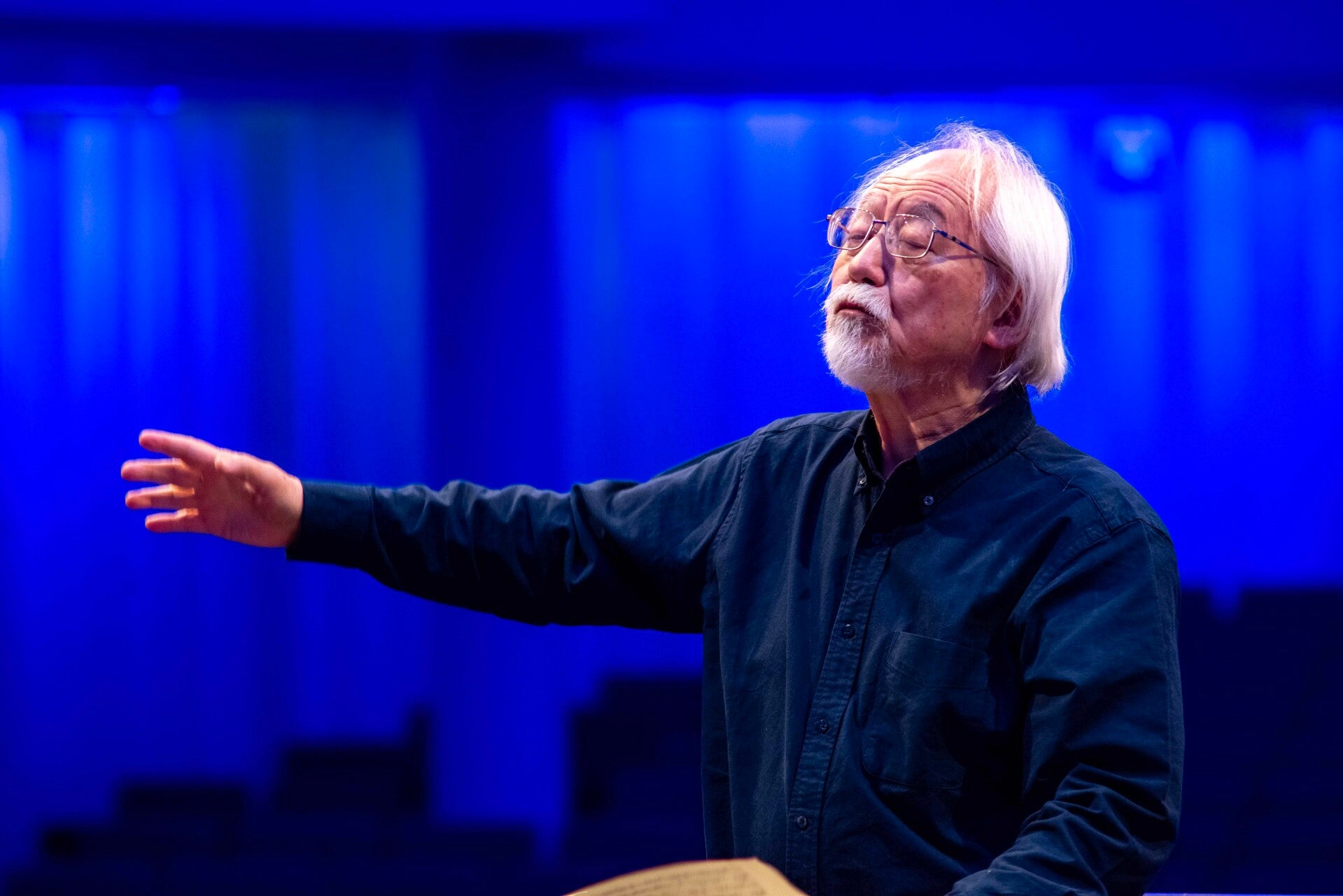
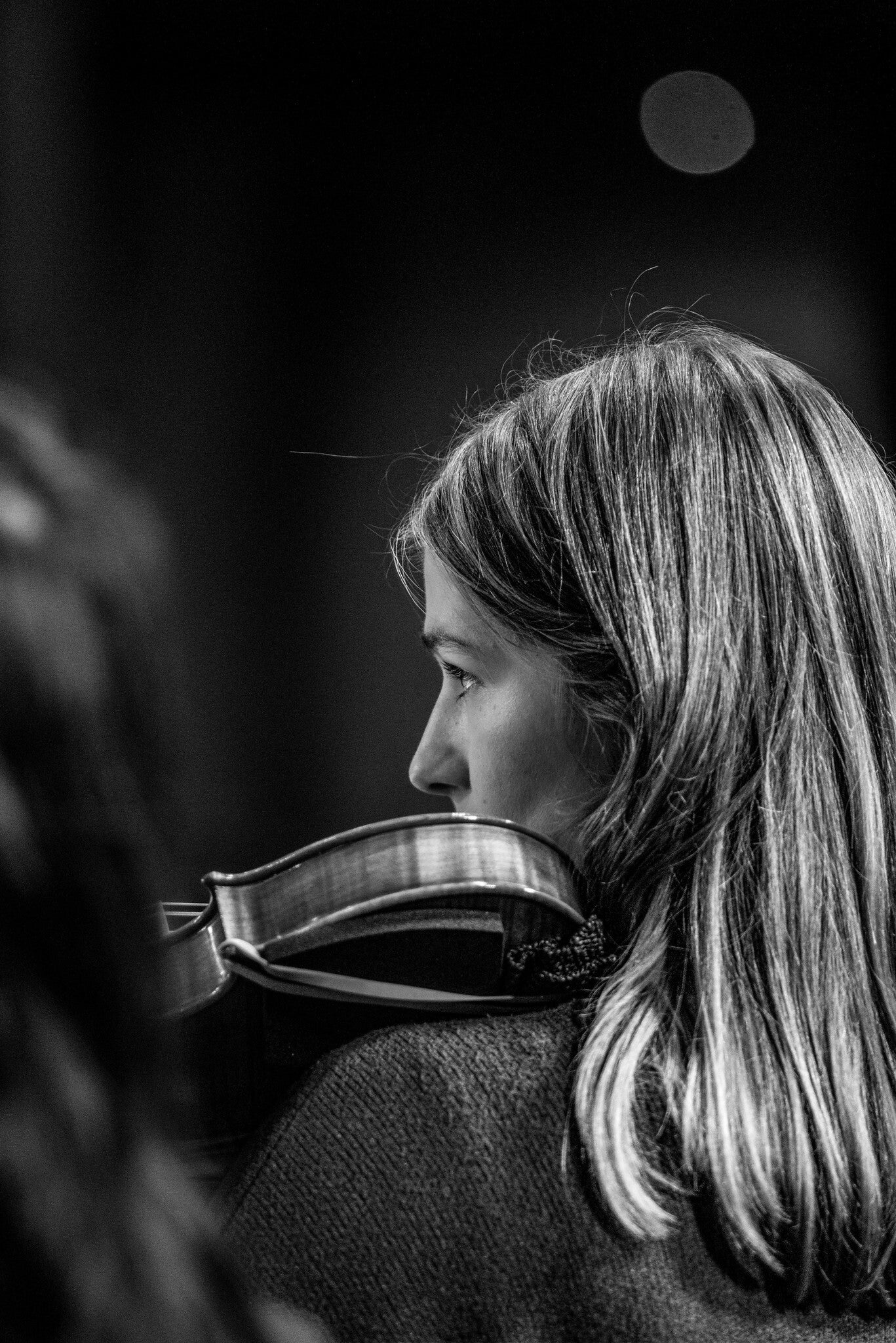
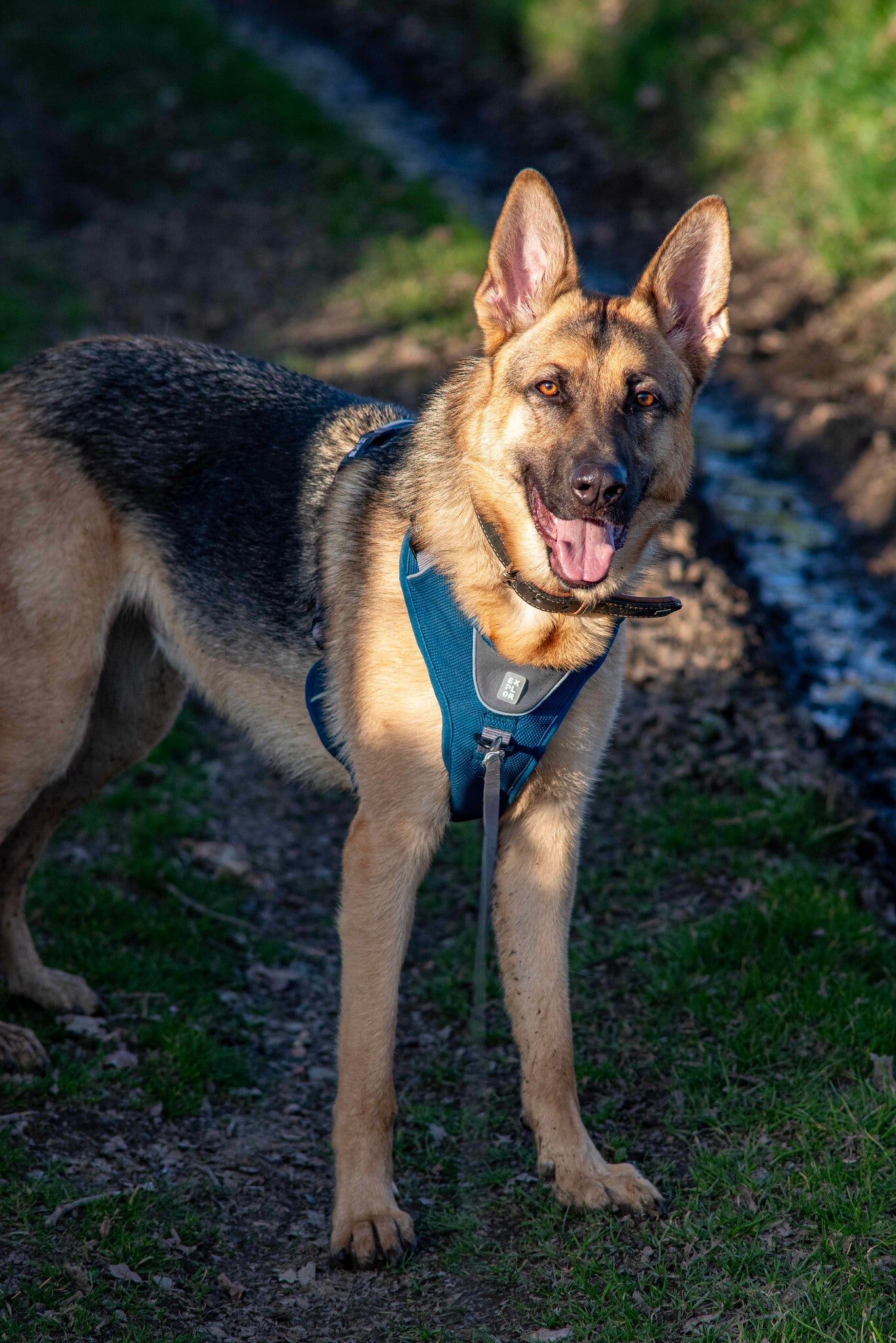
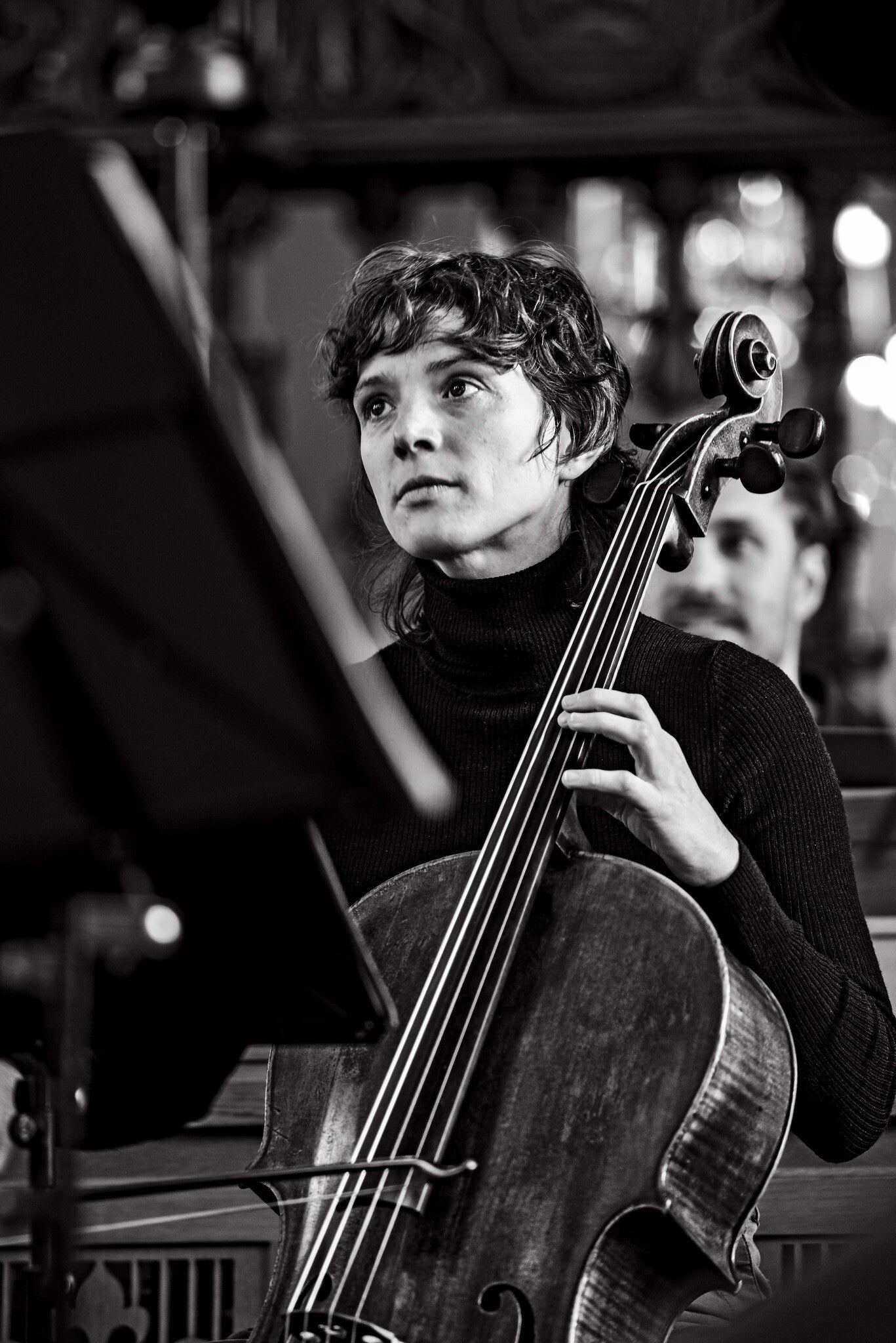
This is an amazing lens, with an m42 screw mount, that I found in a thrift store in the Netherlands at a tiny price. It is amazing for several reasons: It is a relatively fast tele objective which is nevertheless very light owing to its only five glass elements, very easy to handle with the giant focusing ring, very sharp and it has an exceptional minimal focal distance of 1.7 m. This mfd makes it very suitable for portraits. The bokeh wide open is amazing. I found this out very quickly since the aperture was controlled with a pin, and I did not have the appropriate adapter with an extra flange to engage the pin. Therefore, I was obliged to shoot all pictures with wide open aperture at first, and since the centre sharpness and contrast were already very good I did not mind risking a lot of almost sharp images, because the results were amazing when I did nail the focus. Once I solved the aperture pin problem the results only got bettter! It's a very practical lens for reports of musical rehearsals I often make. It gets an excellent rating on Pentaxforum lensreviews, a page I consult often for information about Pentax and PK-mount lenses and so much more. https://www.pentaxforums.com/userreviews/tamron-adaptall-2-200mm-f-3-5-04b.html
Tamron is considered an aftermarket brand, not building their own cameras, but supplying objectives for several lens bayonets of well-known brands. The name derives from Uhyoue Tamura who was instrumental in developing Tamron's optical technologies (puns intended, I think, Wikipedia?). It was only on the company's 20th anniversary, in 1970, that the name was changed to Tamron (from Taisei Optical). (Source: Wikipedia https://en.wikipedia.org/wiki/Tamron). They are constantly innovating and made a line of professional manual focus lenses (SP "super performance"), offered the so-called "Adaptall" series which have interchangeable mounts for multiple camera brands, and were the first who constructed super zooms (28-200mm and more). Nowadays they are very international and offer an interesting gamma of lenses for different brands. This is their website: https://www.tamron.eu/fr-FR/objectifs-photo and their slogan is: "Focus on the Future". Unfortunately they stopped offering the Pentax K-mount some years ago (2019?).
Filter Size: 58mm
Lens Mount: Adaptall
Aperture Range: f3.5 - f32
Close Focus: 1.7 meters
Macro Ratio1:5.9
Year Introduced 1976
Pros: sharp, fast, bokeh, light, handling, M42 mount or adaptall to many brands, multi coating, built in hood, cheap.
Cons: M42 aperture pin may need special flanged adapter, MF, no electronic connection to camera (never bothered me, though).








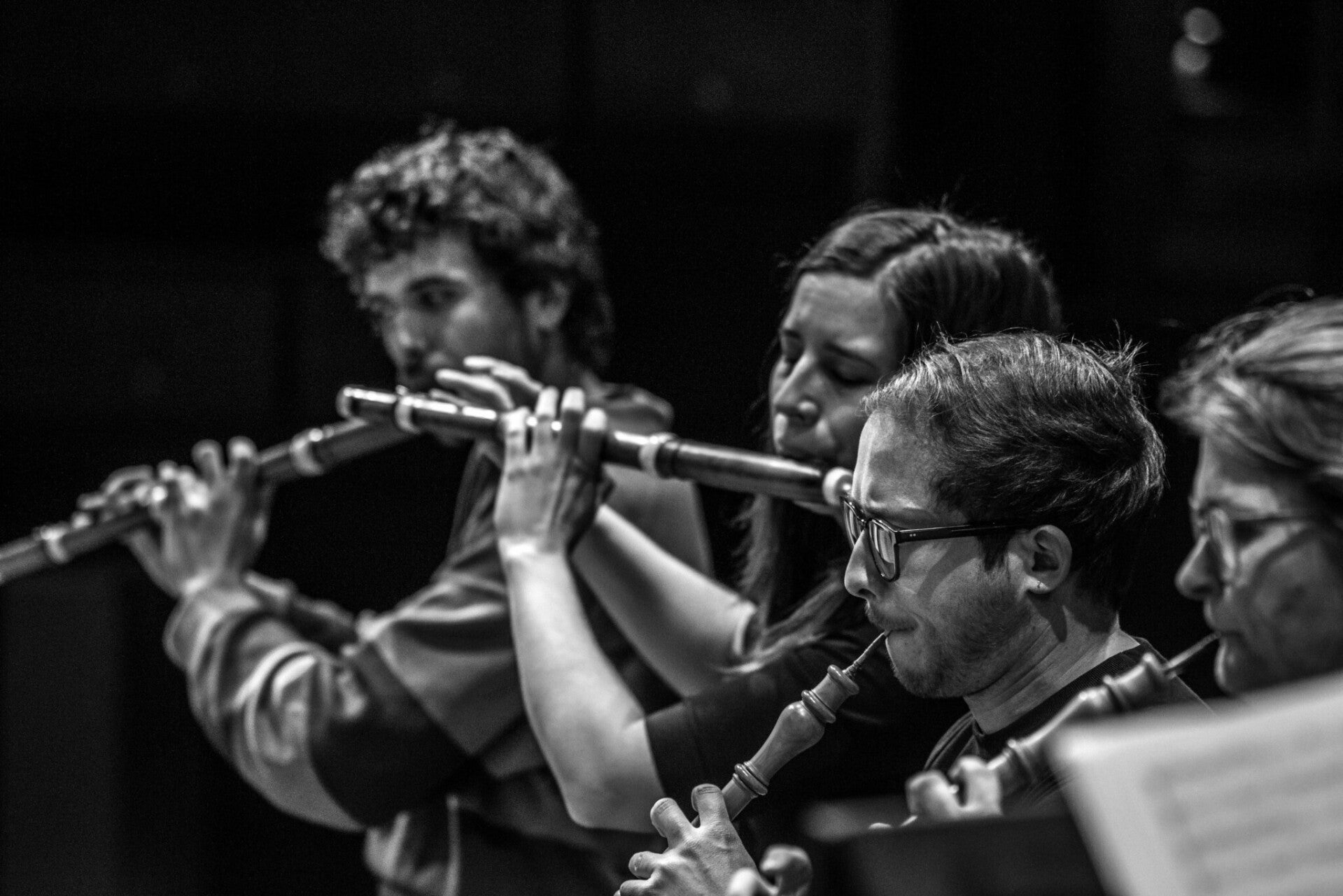
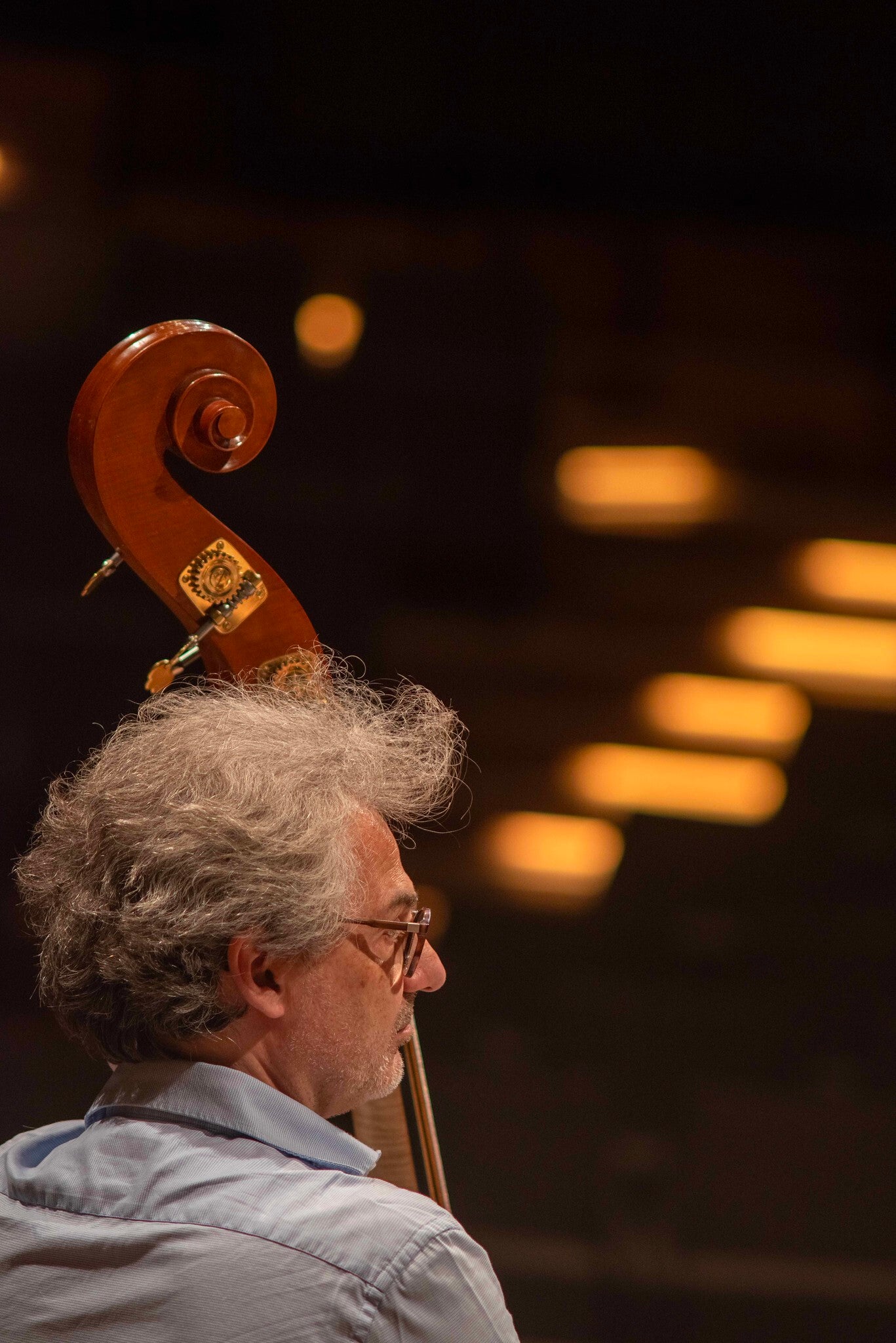
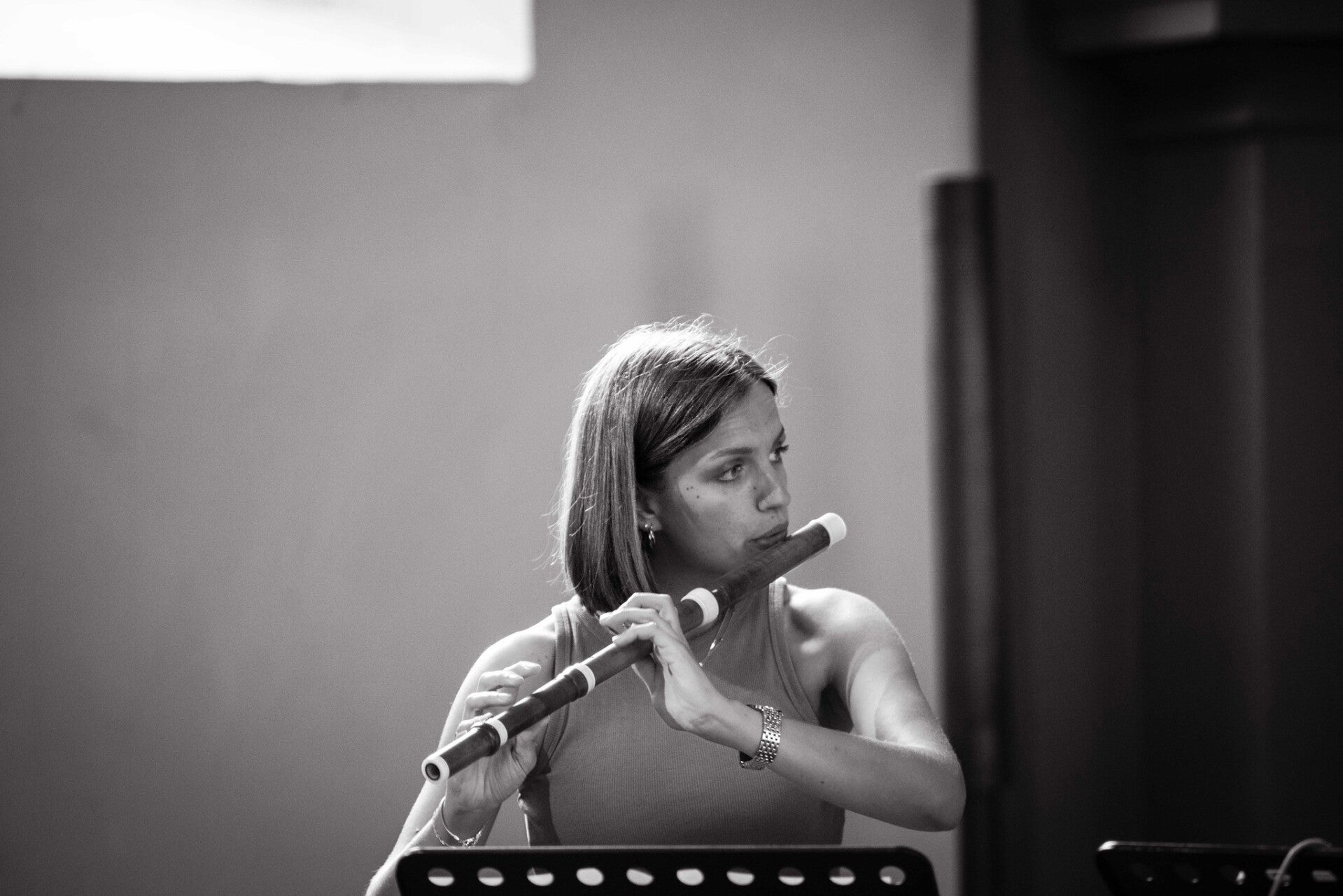




Lens of the month March 2026: SMC Pentax-K 28mm 1:3.5
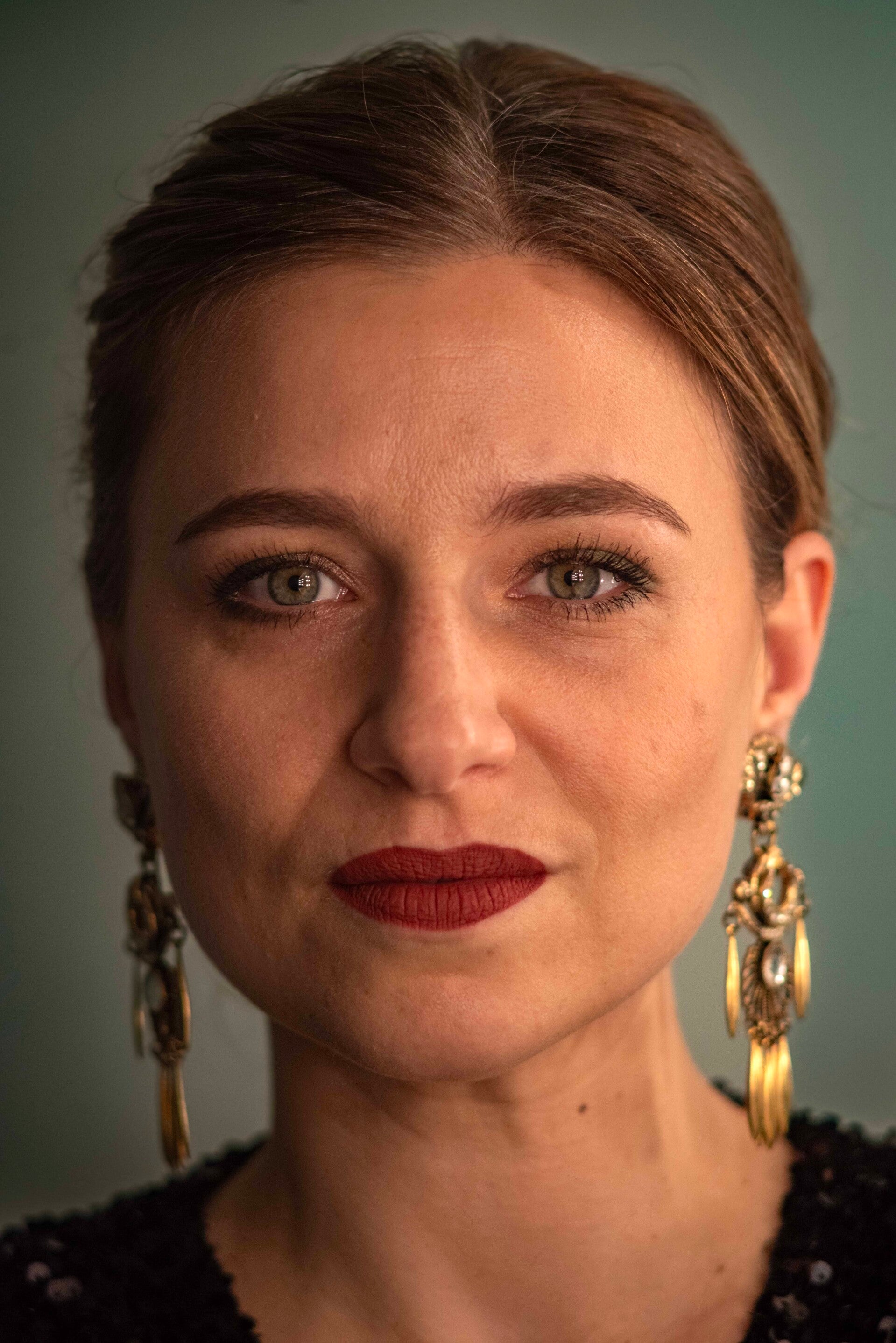
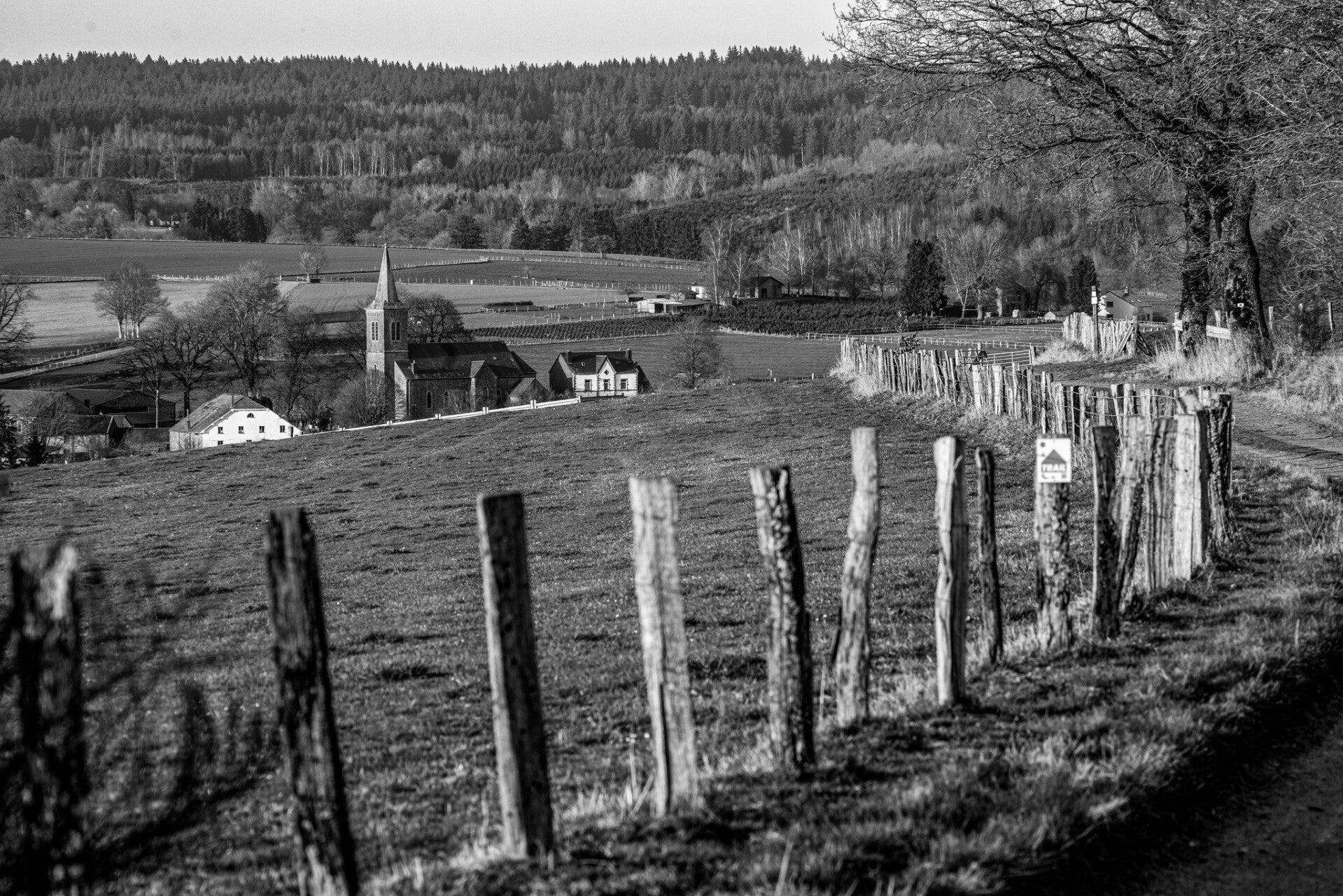
This humble lens is somewhat of a hidden gem: 28mm is not a spectacular focal length and 1:3.5 is on the slow side and does not compare favourably to its faster F/2 version. Yet all reviews are much more enthusiastic about this lens. What is its secret?
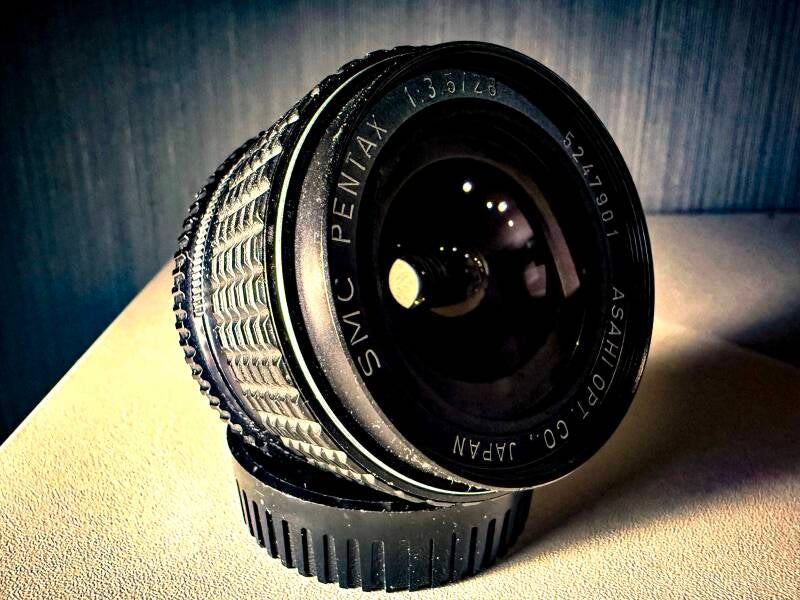
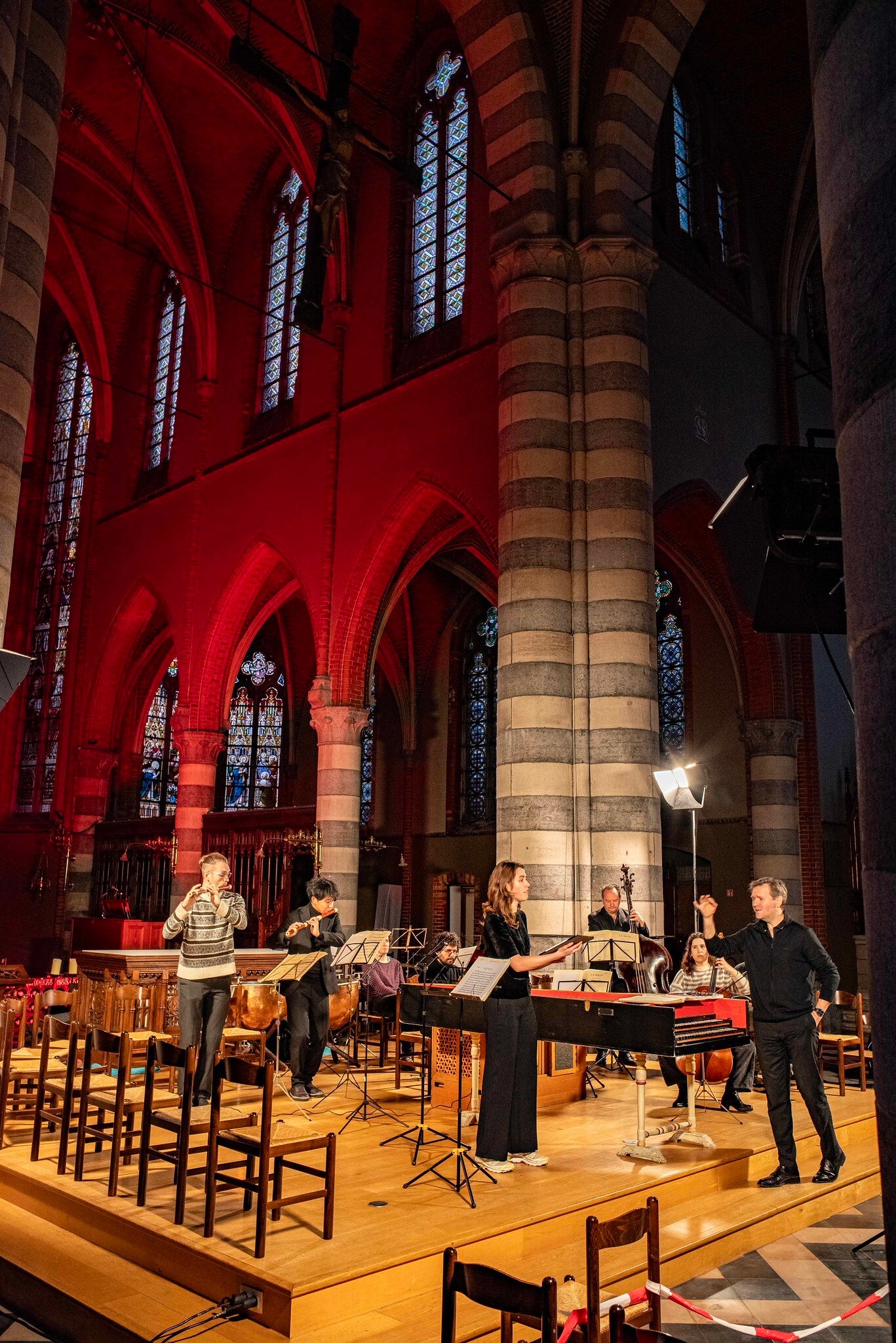
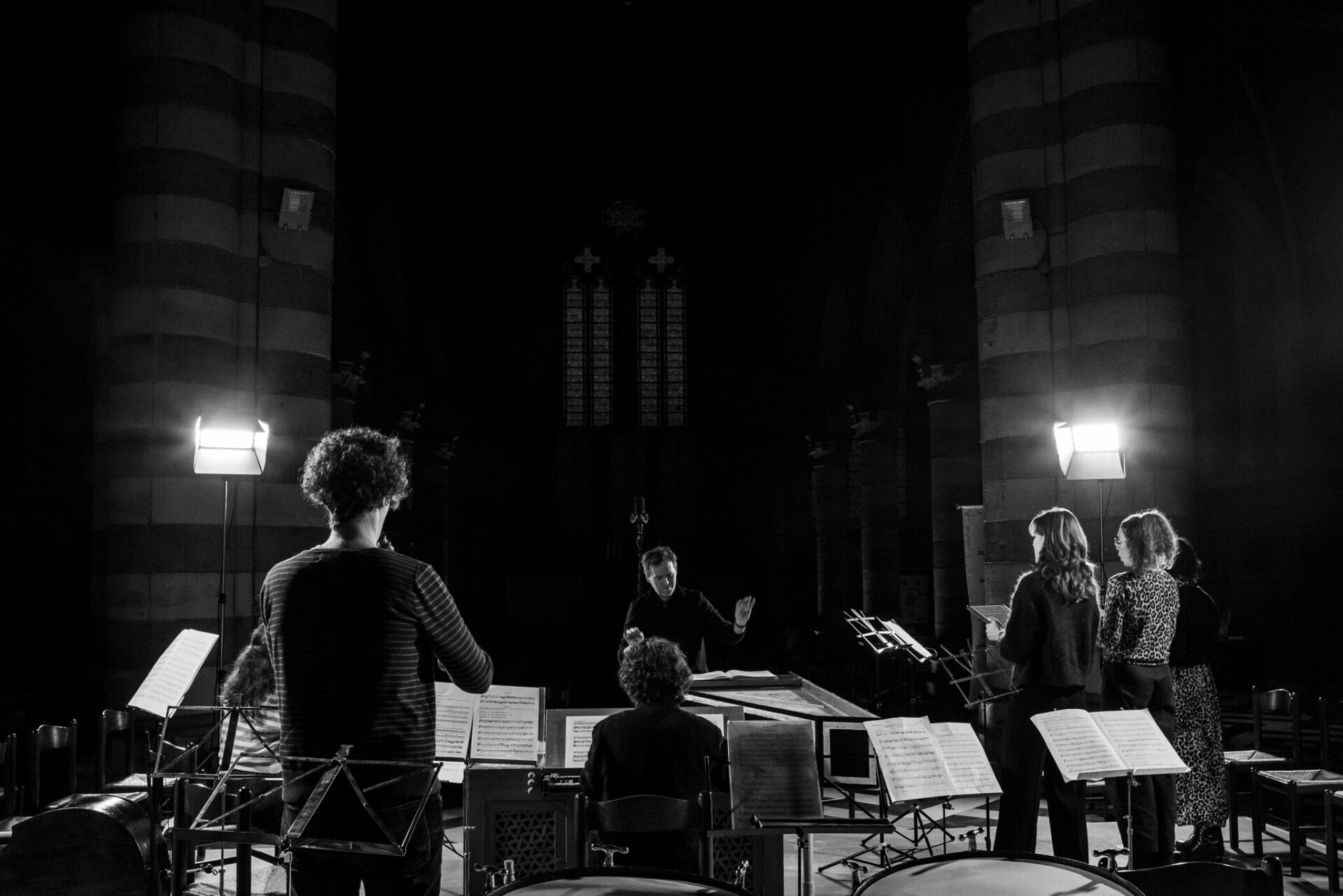
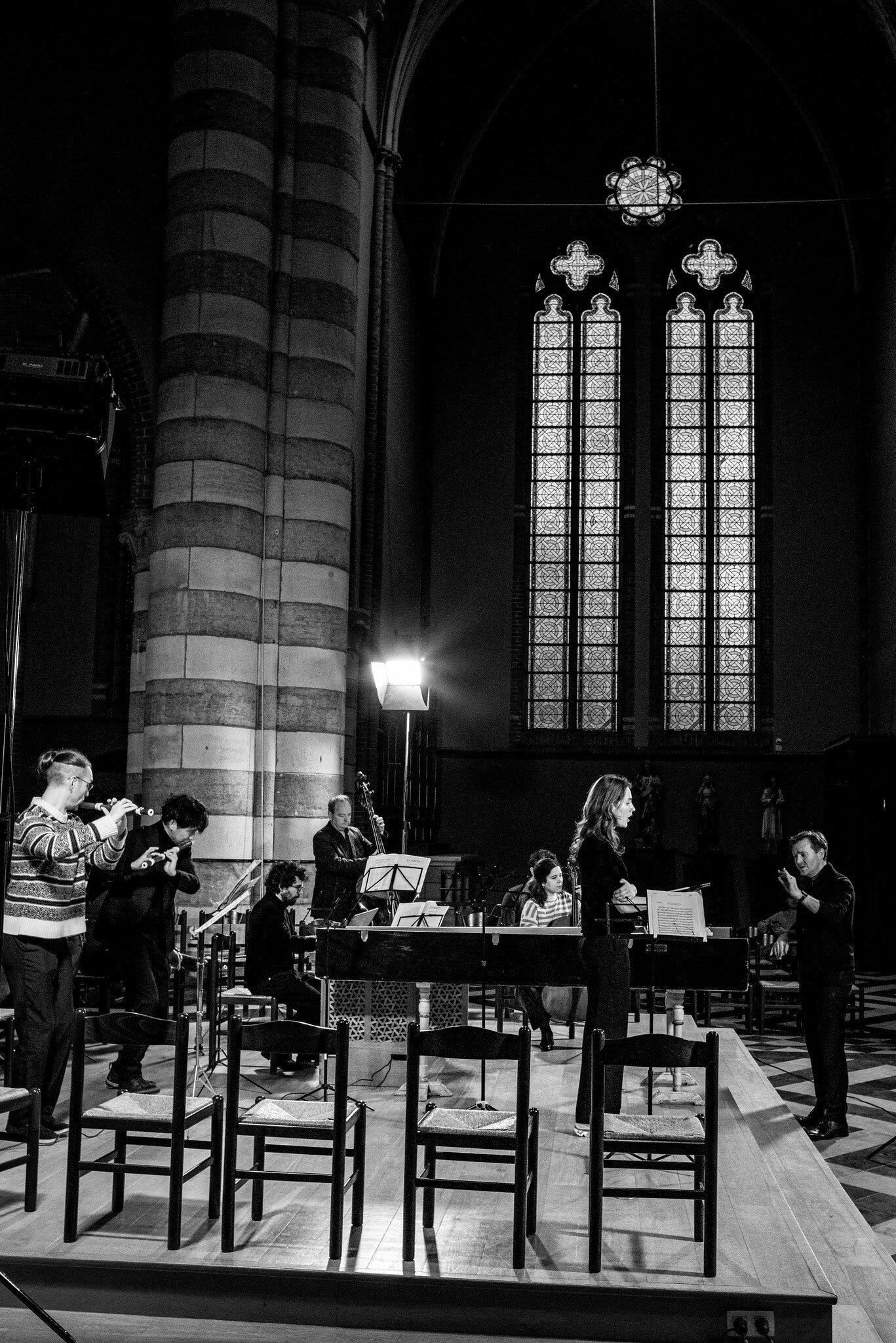
I will start with how I found it, the way I like it most: I was on a singing job with Bachplus Aalst singing Bach Magnificat. Of course I made some rehearsal pictures. Before driving home after the rehearsal I decided to take a look in the local thrift store and to my excitement there was a closed glass showcase with quite a few lenses. The owner opened it and she stayed right there looking at me inspecting the lenses. I felt a bit pressed so I had to go through with it quickly. To my disappointment they were mostly other brands than mine, worn out zooms or lenses that are in my collection already so one after another I put the lenses back after inspection. One small lens case in the far end corner of the cabinet was my last hope. It was a heavy case for such a small lens. When I opened it at first I did not see it well for it was covered in dust. I asked if I could wipe it off, the owner quickly said I could, probably she wanted me to stop keeping her. I saw it was a 28 mm K- lens, the price tag was €10 (about $11.46) so I felt a rush of excitement, quickly took it to the cash register and paid for it. It wasn't until I was back in the car and looked up the reviews of this lens that I realized that I had "struck gold". I quote from the Pentaxforums lens review page: https://www.pentaxforums.com/lensreviews/SMC-Pentax-K-28mm-F3.5-Lens.html
"Though slower than its f/2 sibling, it’s widely regarded as the sharper of the two, delivering edge-to-edge sharpness and minimal chromatic aberration—especially when stopped down to f/8". That is saying something as the "F/2 sibling" has the highest rating of all K-lenses. All the user reviews were full of praise as well, and I started to use it as soon as I could, which was the next two days of concerts, in the on stage rehearsals before the concerts, and later on, and it has not disappointed me. This lens was introduced in 1976 and produced until 1977, so it is somewhat of a rarity. The K-line of lenses was developed as a successor of the immensely successful Takumar line of screw mount lenses called M42 after the size of the diameter of the opening. 42mm being in itself an enlargement compared to the earlier m39 screw mount which was developed by Oscar Barnack/Leica and was the norm for rangefinder cameras until the fifties, there was a need for both a larger opening to be able to fit faster lenses, as well as a faster way of changing lenses than unscrewing and screwing back another lens. The bayonet, developed by Asahi Pentax in cooperation with Carl Zeiss lenses, allowed for a single hand movement when changing lenses. Another reason was that the competition had already introduced bayonet mounts. With the introduction of the new K line of cameras and their new mount came a whole line of K-lenses, 35 prime lenses, with a fixed focal length, and 7 zoom lenses, which were still a relative novelty then. Here you can find an article about the K-line of lenses and cameras: https://www.pentaxuser.com/article/pentax-k-series---the-original-k-mount-2249
Working with this lens is an absolute joy. It has a very solid feel yet a pleasantly smooth focussing ring, even 50 years after its production, a minimal focal distance of 30 cm, 5 aperture blades, 8 glass elements in 7 groups and it gives good centre sharpness wide open and corner to corner sharpness a F/8, with great contrast and little chromatic aberration.
Pros: centre sharpness wide open, corner to corner sharpness at f/8 , MFD 0.3m,
Cons: neither compact nor light, hard to find, not fast, bokeh a little quirky

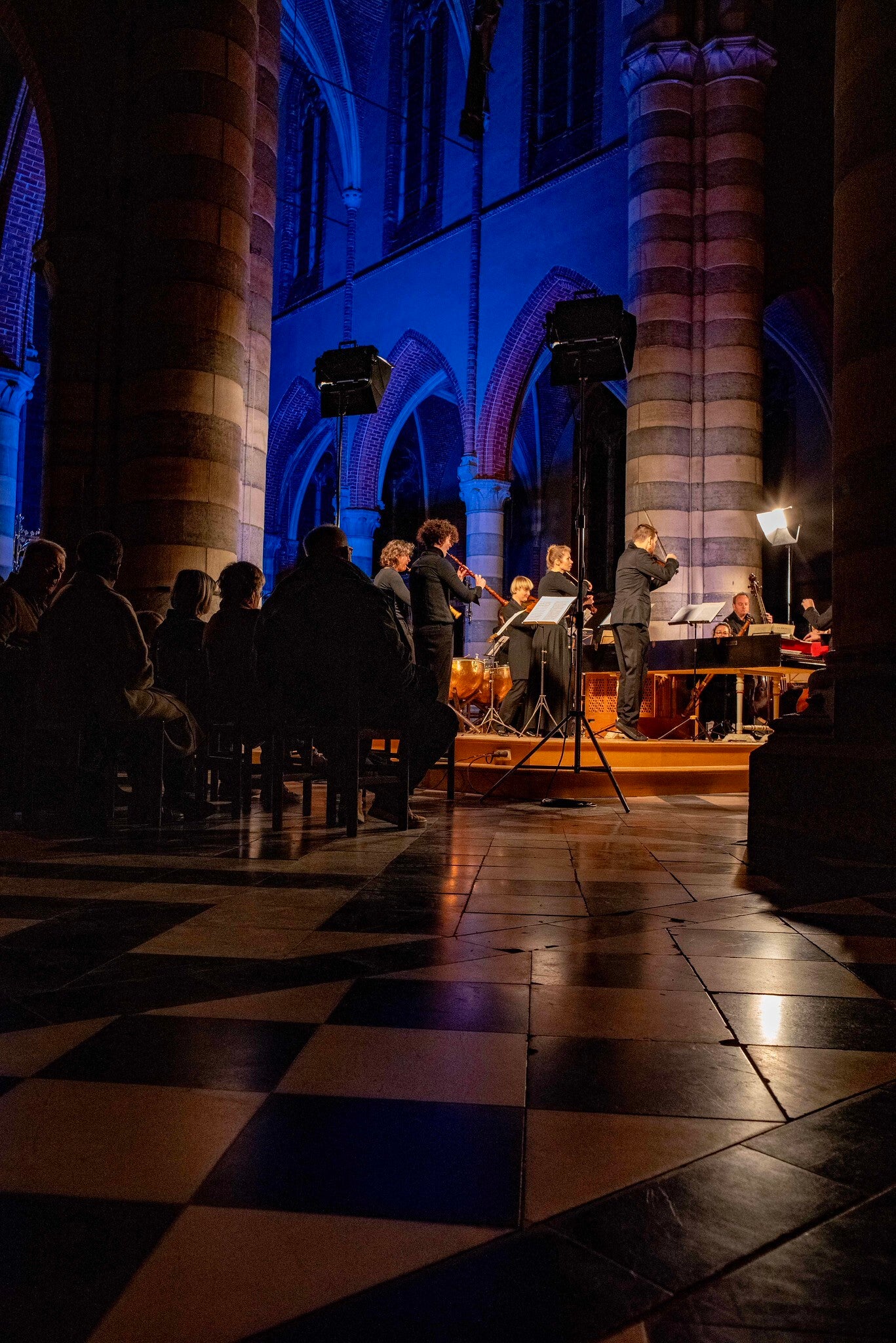
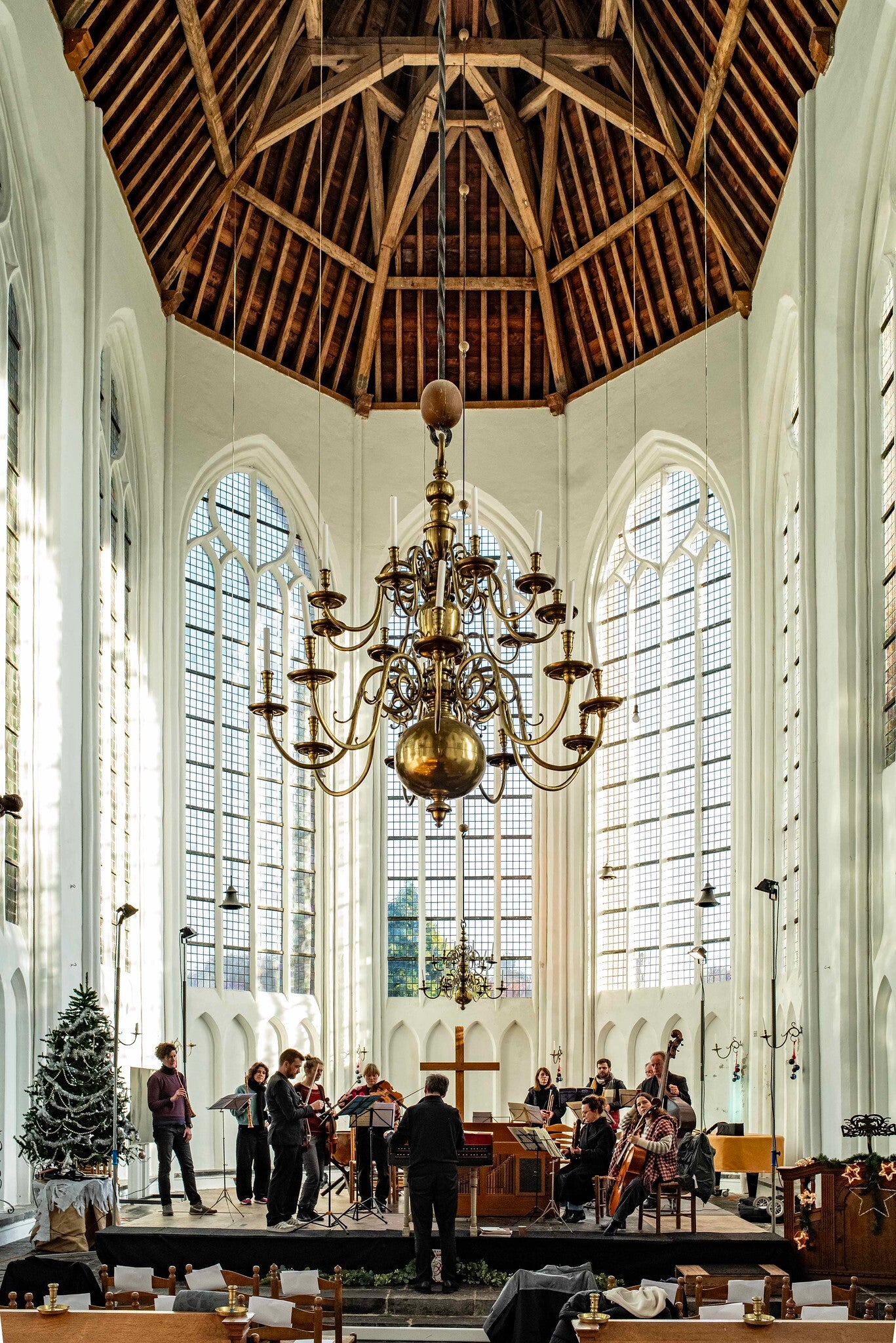
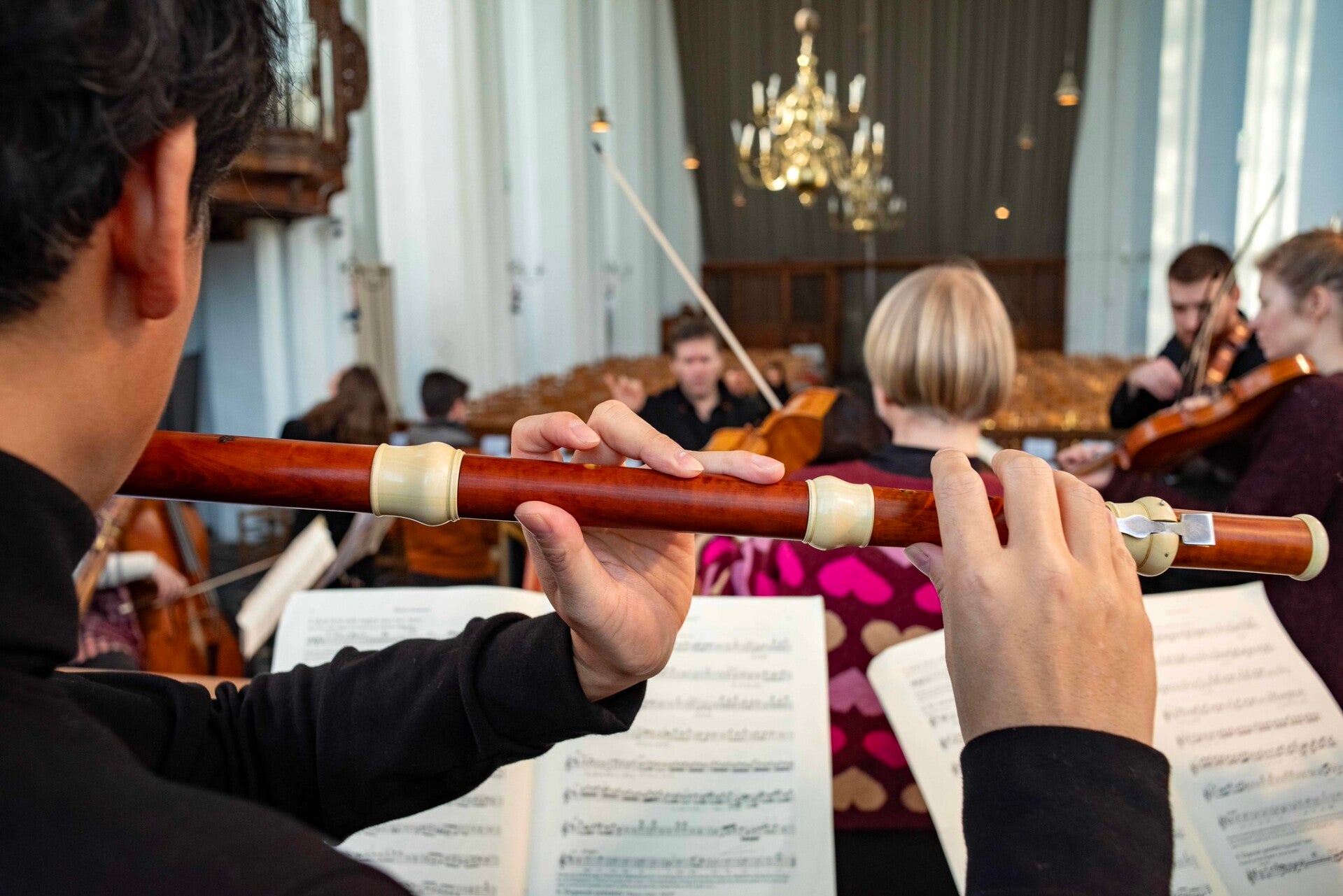

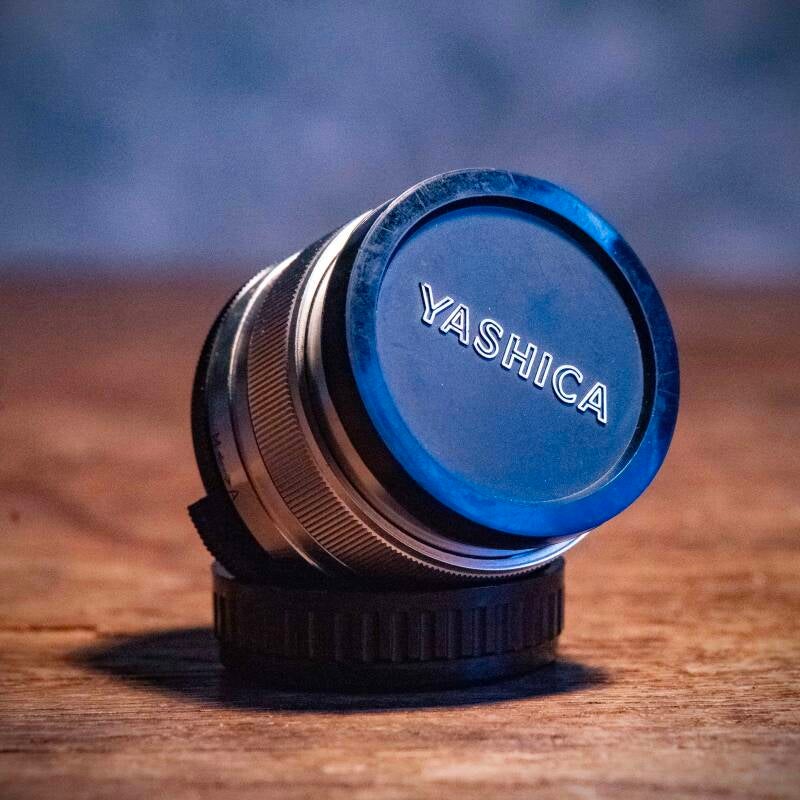
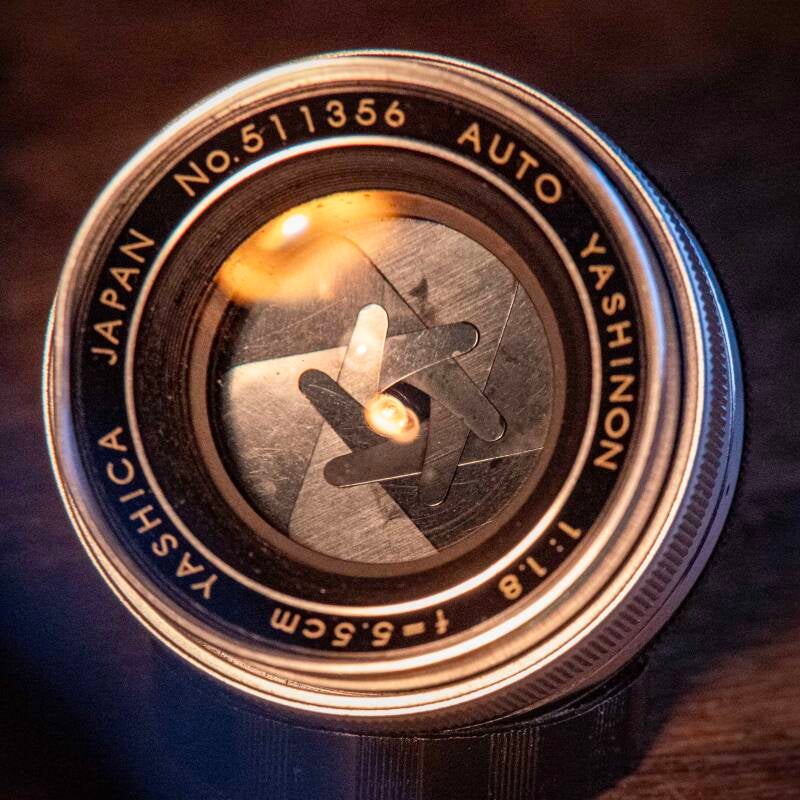
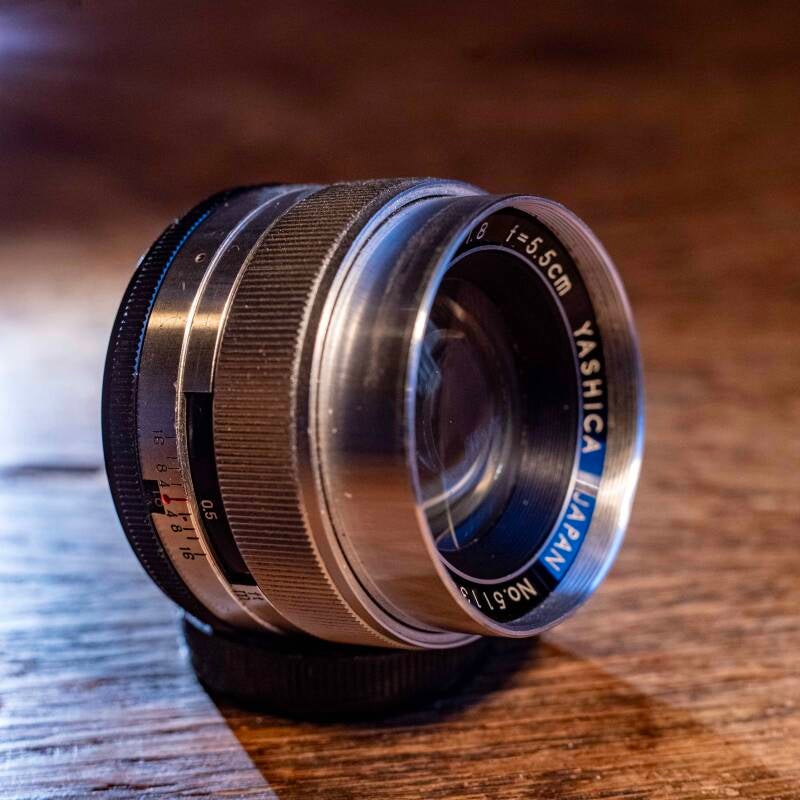
Lens of the month February 2026: Auto Yashinon 1:1.8 f=5.5cm Yashica
A few Yashinon 50mm lenses found their way to my collection. They seem well represented among flea market sales in the region (Wallonia, Belgium). They sometimes come with a Yashica camera, as did this lens I found in a thrift store in Liège, so if I ever decide to go back to shooting film the bodies are already there. This generation of lenses is fitted with the M42 screw mount. I copied the next paragraph from Wikipedia:
"Yashica Co., Ltd. (株式会社ヤシカ, Kabushiki-gaisha Yashica) is a distinguished Japanese manufacturer of cameras, lenses, and photography equipment, founded in 1949, in Nagano, Japan. Deeply rooted in Japan’s postwar era of optical innovation, Yashica earned global recognition for its craftsmanship, reliability, and elegant design. Its acquisition of Tomioka Optical Co., Ltd., a respected Japanese lens manufacturer, further strengthened its reputation for optical quality and technical innovation. The company ceased operations in 2008 and returned to the industry in 2015."
The glass of these lenses is quite good, great centre sharpness with open aperture and amazing overall sharpness when stopped down, combined with beautiful bokeh. The fact that Yashica took over the legendary lens company of Tomioka will have had its positive effect on that quality and, later there also came a period of cooperation with Zeiss when they launched their Contax brand, resulting in the C/Y (Contax/Yashica) mount. I was also lucky to once own a twin lens reflex, the Yashica A, about which you can read on my "information" page and which I used a lot when I was shooting on film. I passed it on to the excellent photographer and oboist Dymphna van den Abeele (#dymphna_vandenabeele) when she started at the photo academy.
This lens has a focal distance of 55mm, or as it was written on earlier Yashica lenses, in centimeters: 5.5cm. It gives slightly more focal length than a 50 mm and is therefore perhaps a bit more appropriate when shooting portraits and even more so on APS-C sensors. Minimal focal distance is 50 cm, which is not special. Still, the 1.8 aperture gives great bokeh and therefore the lens has a good 3D pop. Maximal aperture is F/16, six blades give hexagonal bokeh balls when stopped down. Here is a review by John Riley in Ephotozine of this lens that was released in the year I was born: 1964.
https://www.ephotozine.com/article/yashica-auto-yashinon-5-5cm-f-1-8-vintage-lens-review-34311e
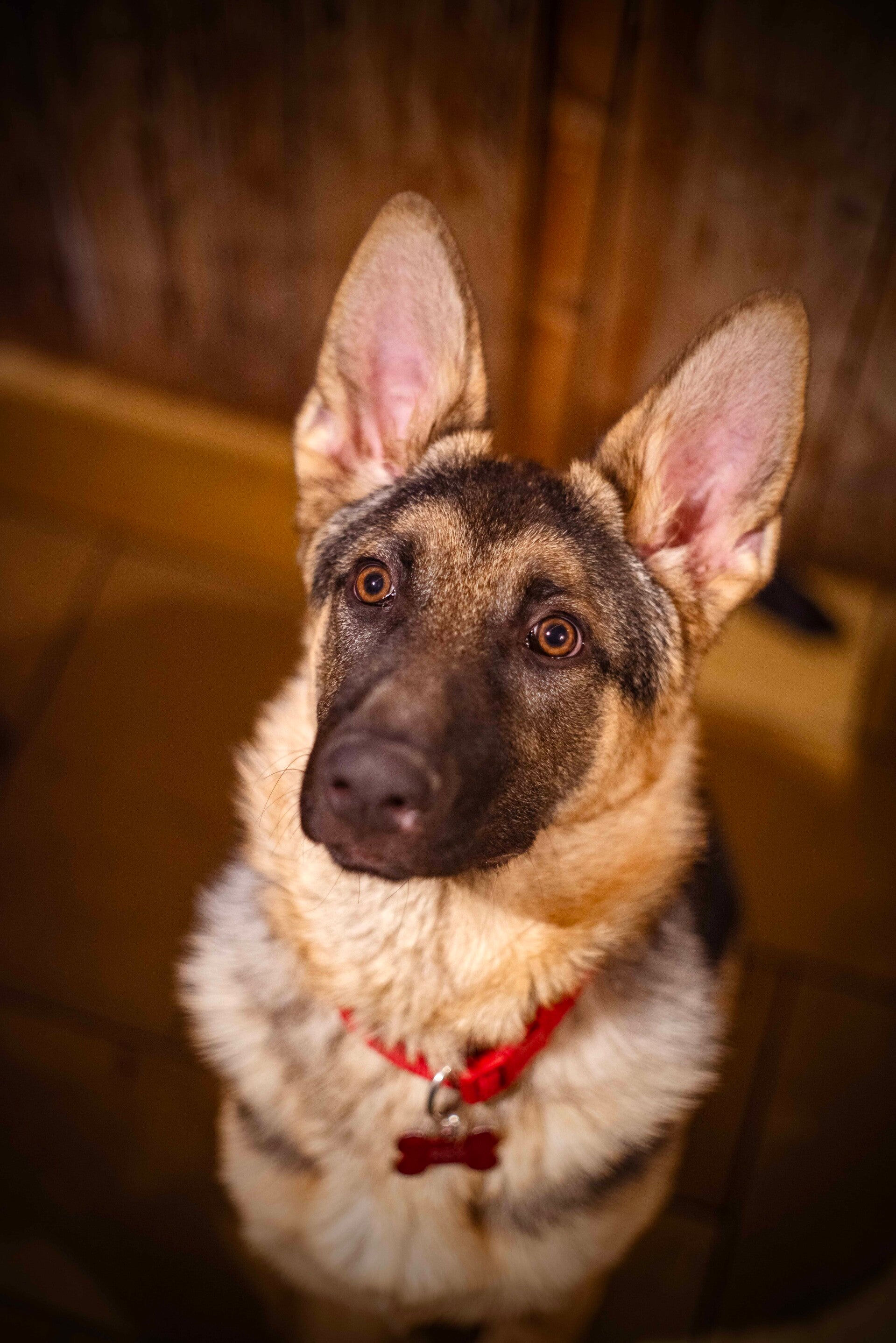
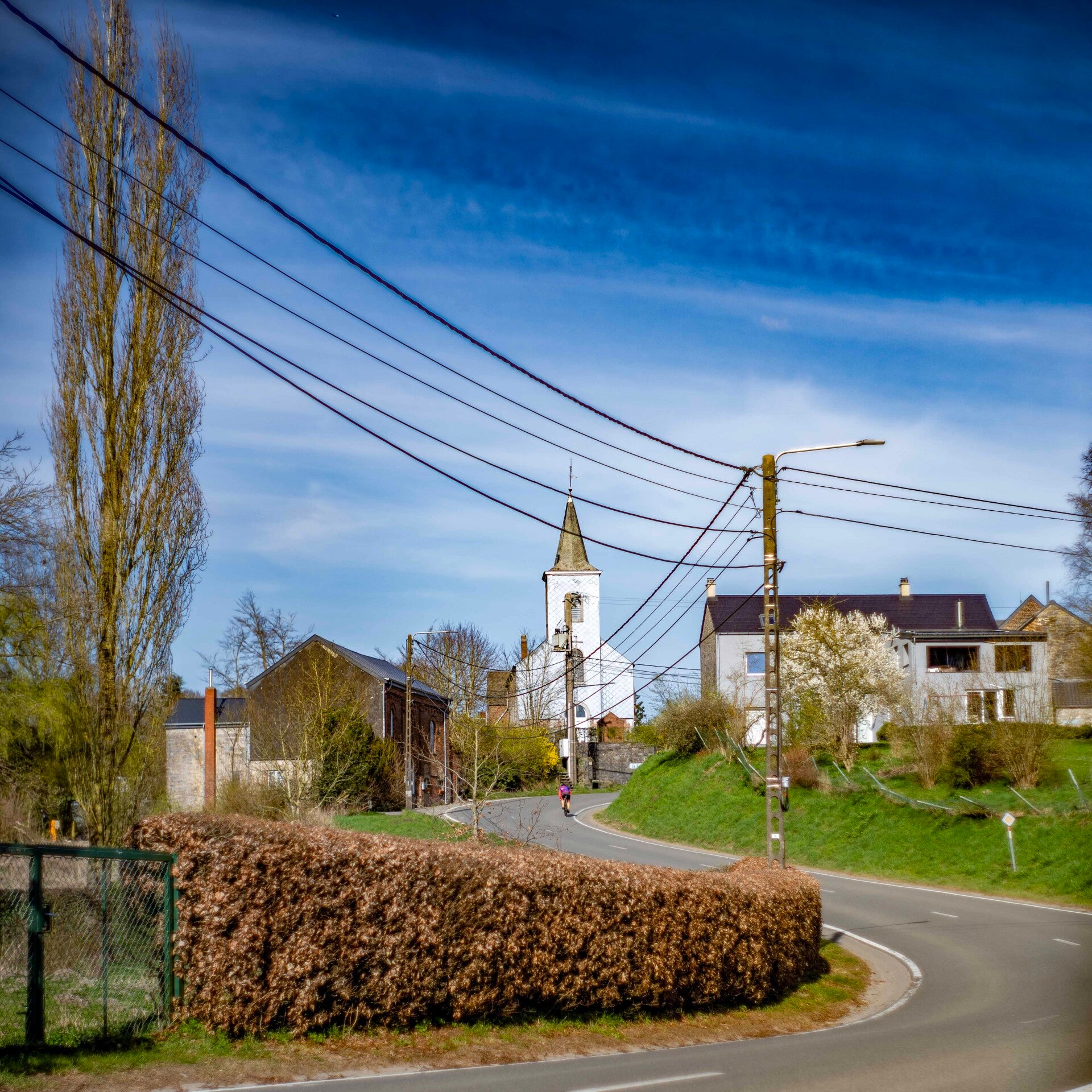
This review lauds the sturdy build and smooth focus. I like the design, the retro feel which at the same time has something timeless. But mainly, I like the center sharpness, even at F/1.8, set off against the bokeh at the edge. As with many Yashinon lenses there is no coating which may result in wild flare, which can be either disturbing or wished for. Personally I have had a lot of fun with it and used it to my advantage.
For the pros and cons I used those in the review, and agree with them, with the exception of the first two cons, which I try to use to my advantage.
Yashica Auto-Yashinon 5.5cm f/1.8 Pros
- Excellent central sharpness
- Very low central CA
- Well-controlled vignetting
- Moderate barrel distortion
- Easy to focus
- Very well made
- Creative potential
Yashica Auto-Yashinon 5.5cm f/1.8 Cons
- Weak edge performance
- Severe problems with flare
- High edge CA






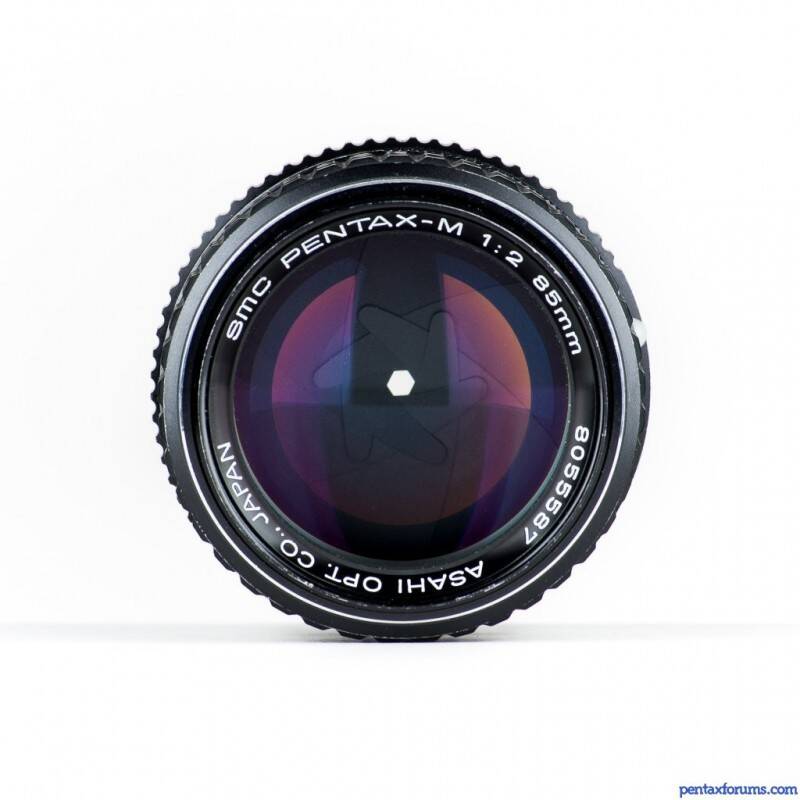
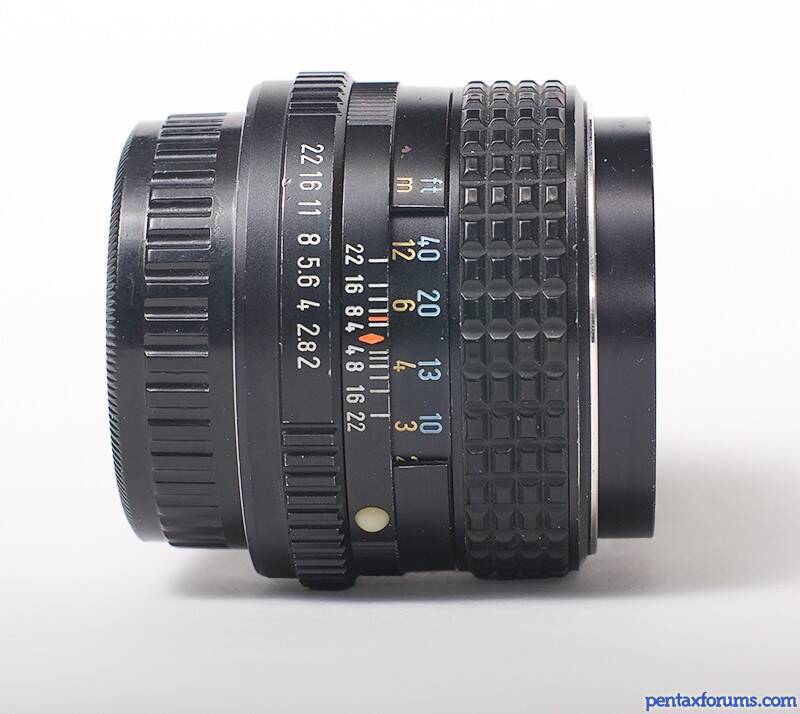
Lens of the month January 2026: SMC Pentax-M 85mm 1:2
One of my most used lenses is this compact but relatively fast manual focus portrait lens Asahi Pentax manufactured between 1977 and 1984 as part of the M-series. This series was the successor of the legendary K-line of lenses, which in itself was the successor of the at least as legendary Takumar M42 lens line up, all of which were designed for full frame film cameras. When I bought it I was using a Pentax Super-A film camera, then I changed to digital and it became more like a 135mm because of the 1.6 crop factor of the smaller APS-c sensor, then when I got the K-1 MKii it worked again as intended since the sensor has the same size as the original negative. Where the Takumar screw mount lenses were compact and built to last, the K-line was designed with a bayonet for ease of use and speedy lens change and all lenses sported Super Multi Coating (hence SMC), to minimise flare from incoming light. The build quality being very high resulted in some gear being very heavy, so Asahi Pentax, always on the look out for user friendly solutions, designed this M-series with as its defining feature a compactness comparable to the older M42 series that would make it easy to take a selection of lenses along, without making the camera bag excessively heavy.
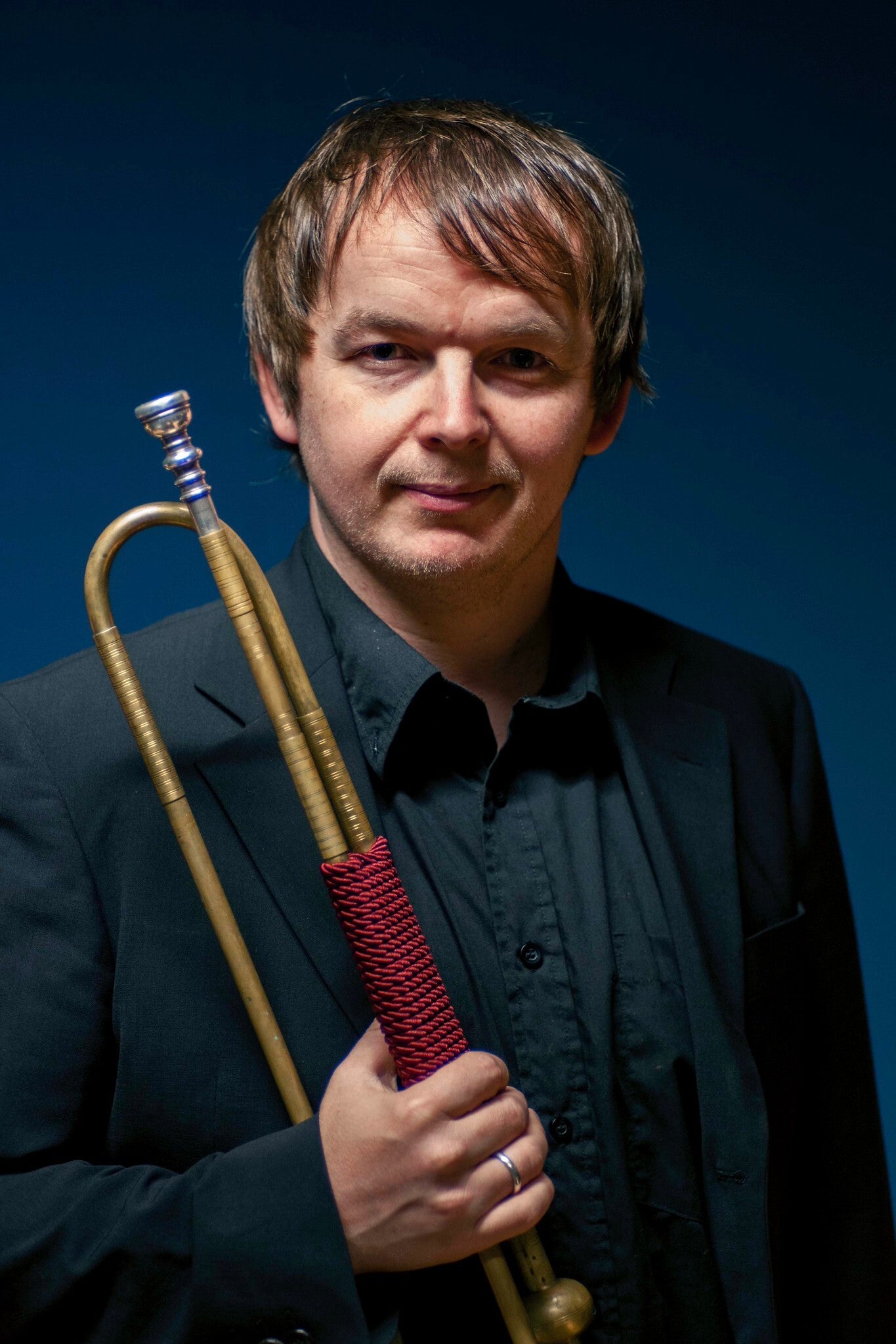
The 85 mm focal length is very well suited for taking portraits, so it was a logical choice for me to acquire it and feature it here. The distance it needs (MFD:85 cm) results in a flattering rendering of faces, without the distortion that comes with shorter focal lengths. A side effect of this minimal focal distance is that you can give the model in question some space and freedom, which can result in better portraits. Also, the separation from the out of focus areas is very visible yet gentle. I bought it from a private seller in Utrecht, The Netherlands, at a reasonable price, a long time ago, and I have stuck in it my bag many times when I had to make a selection of lenses for a project. I also have the Samyang 85/1.4, which I also love, but in comparison this lens is so much more unobtrusive and light! It can be dreamy but still centre sharp with open aperture and wonderfully sharp when stopped down to F/2.8. and onward.
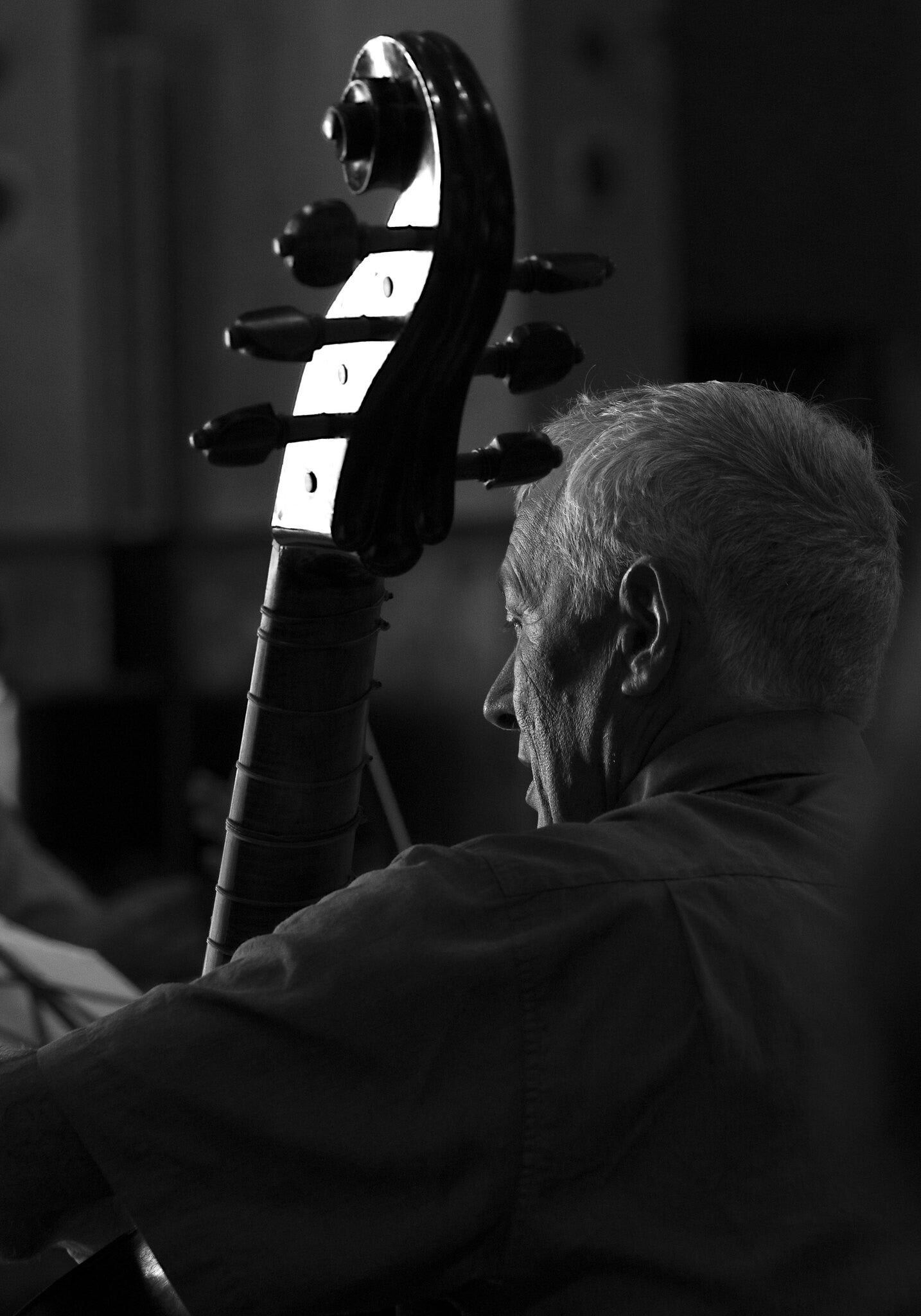
I have yet to discover its possibilities for landscape and street photography, but I have read up on the use of this focal length to these purposes and it can give interesting results. It is always interesting to push a lens to the limits of its possibilities, but so far, the call of portrait photography has been irresistible to me. I include a link to the Pentax Forums Lens Review page with more technical details of this lens and some examples of portraits not yet featured on the portrait page of my website.
Pros:
compact, mostly metal build
Dreamy softness at F/2 (can also be considered as a con).
sharpness from F/2.8 onward
Gentle tone, great skin tones, also in B/W
lovely bokeh
Cons:
purple fringing and lower contrast at F/2
Not cheap.
https://www.pentaxforums.com/lensreviews/SMC-Pentax-M-85mm-F2-Lens.html







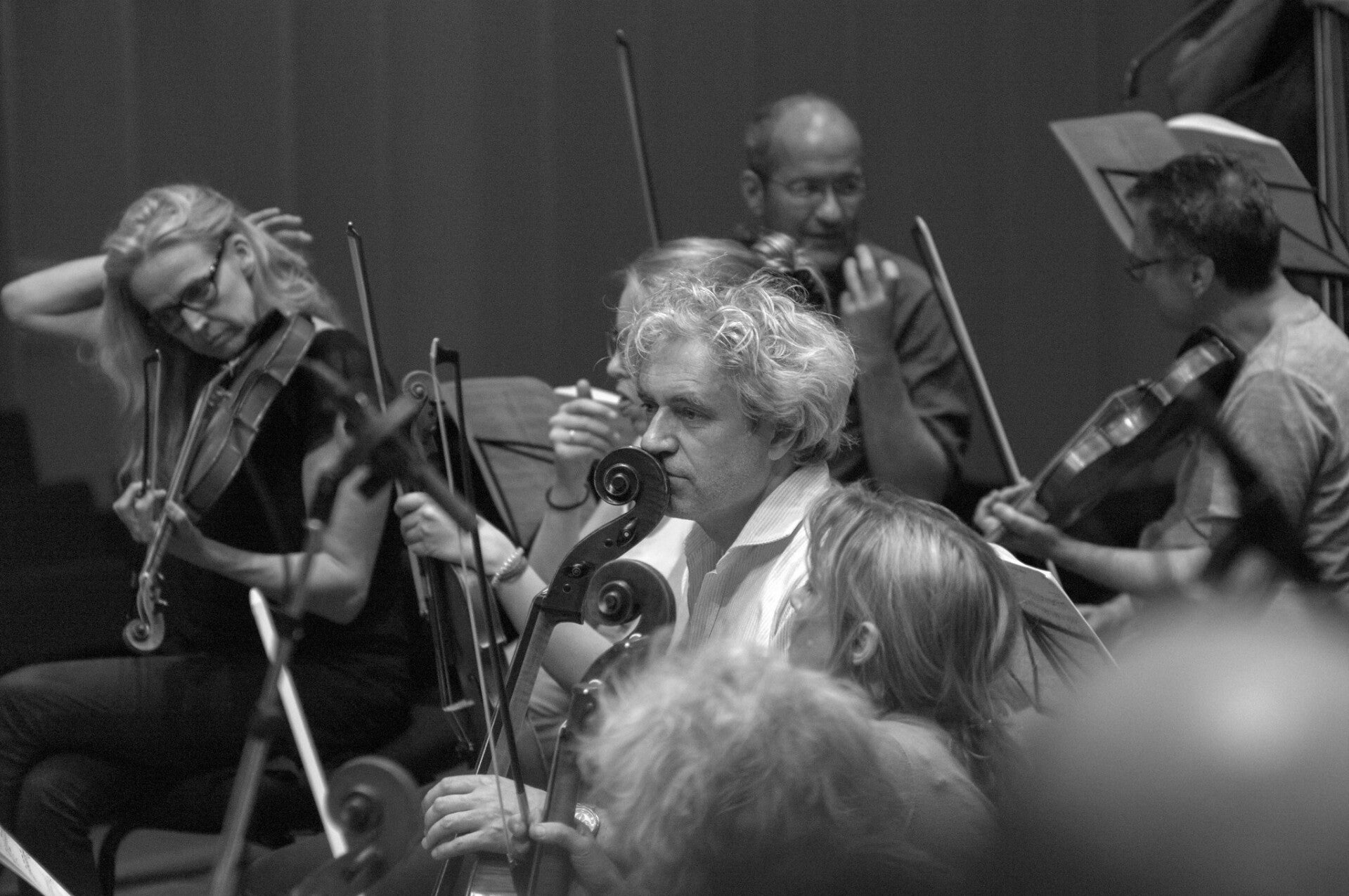
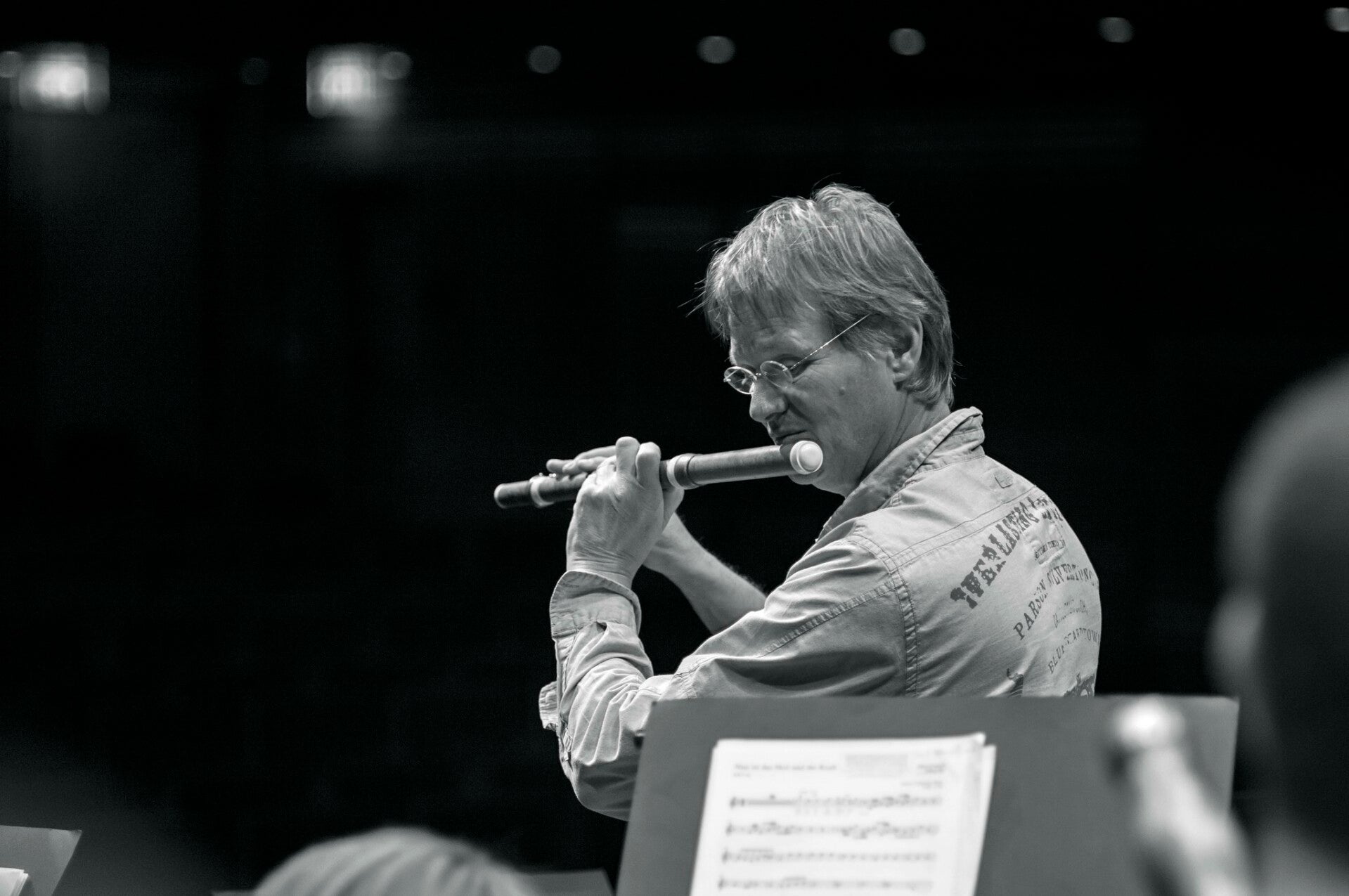
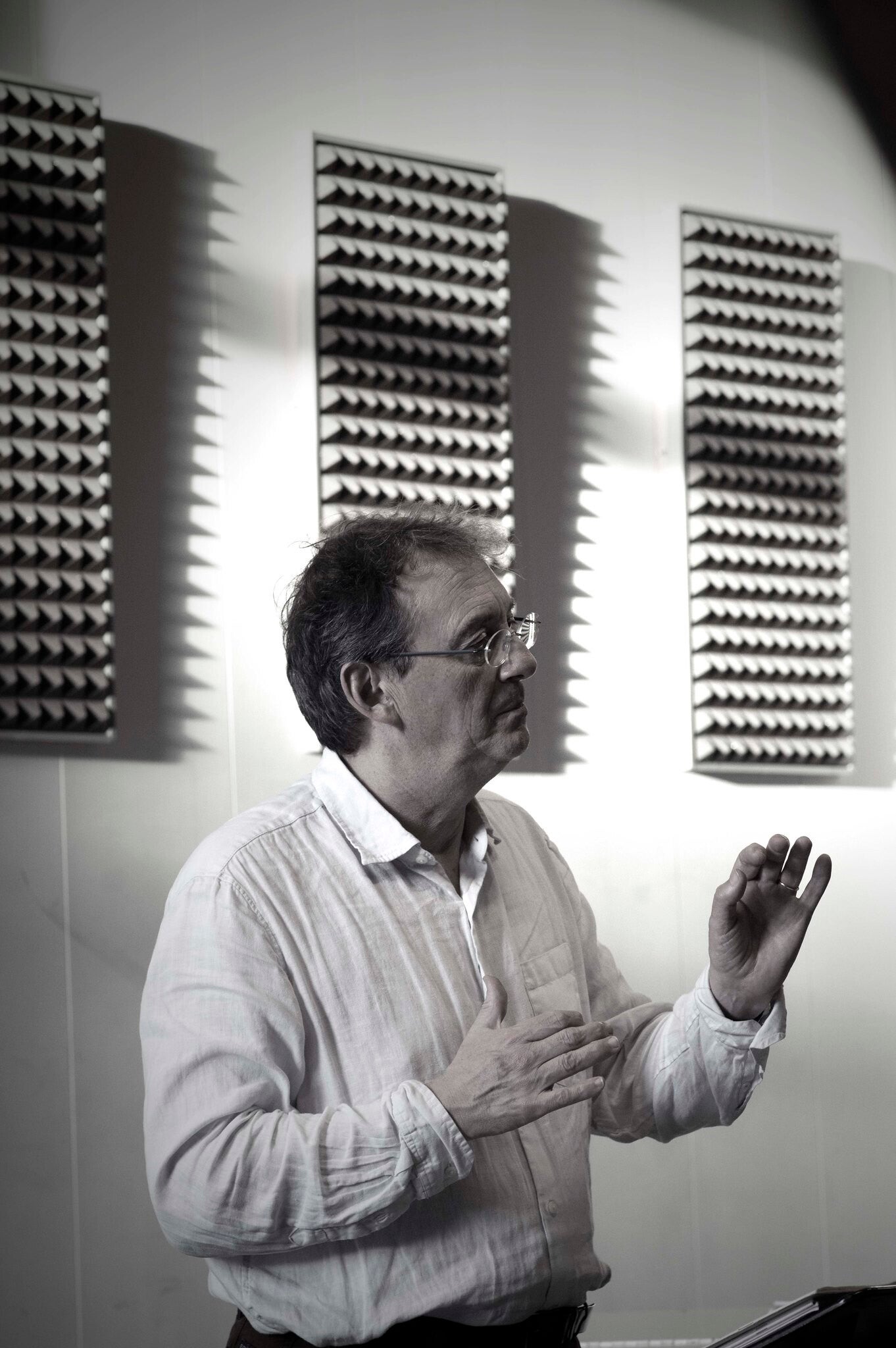
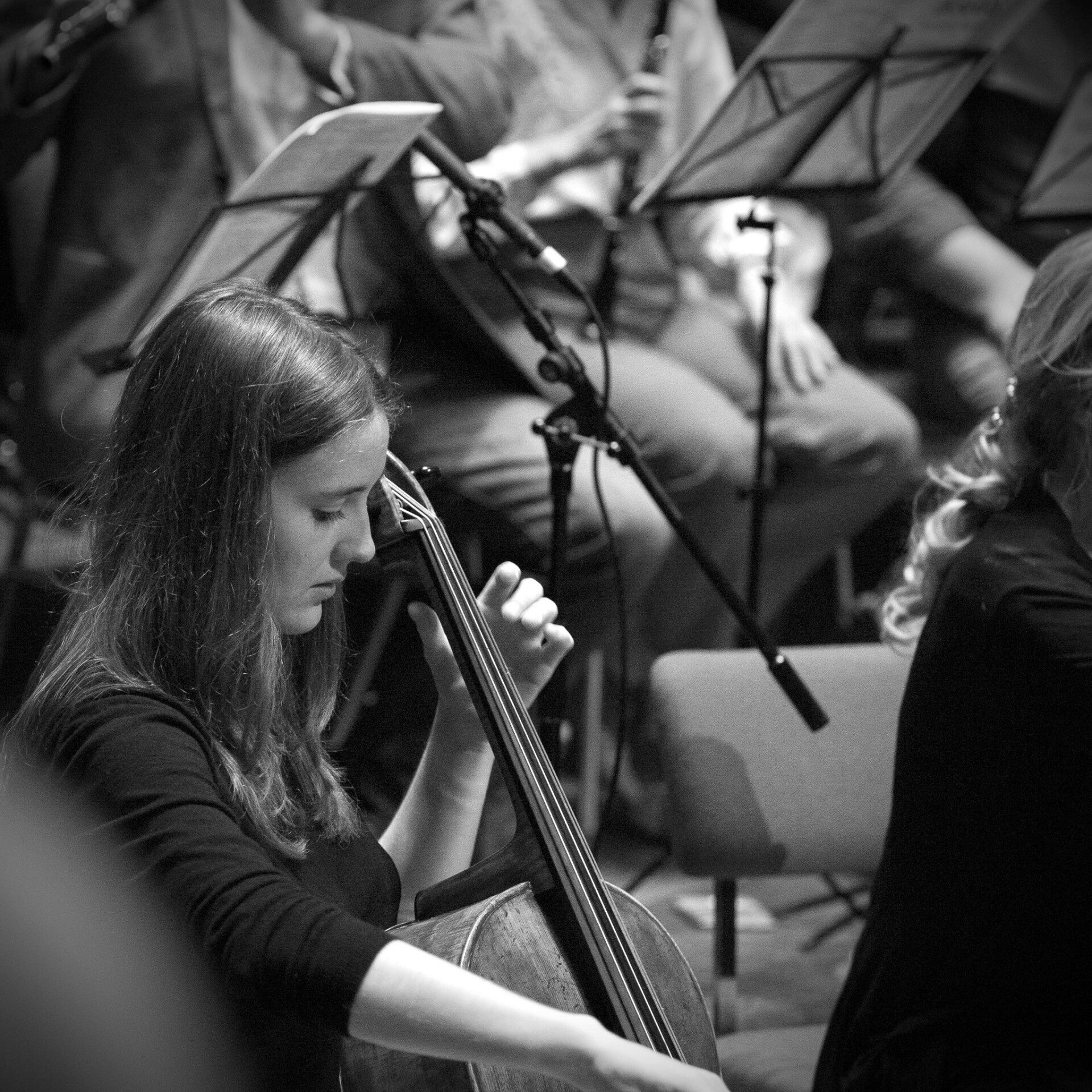











Lens of the month December 2025: Super Takumar 1:1.4 50mm.
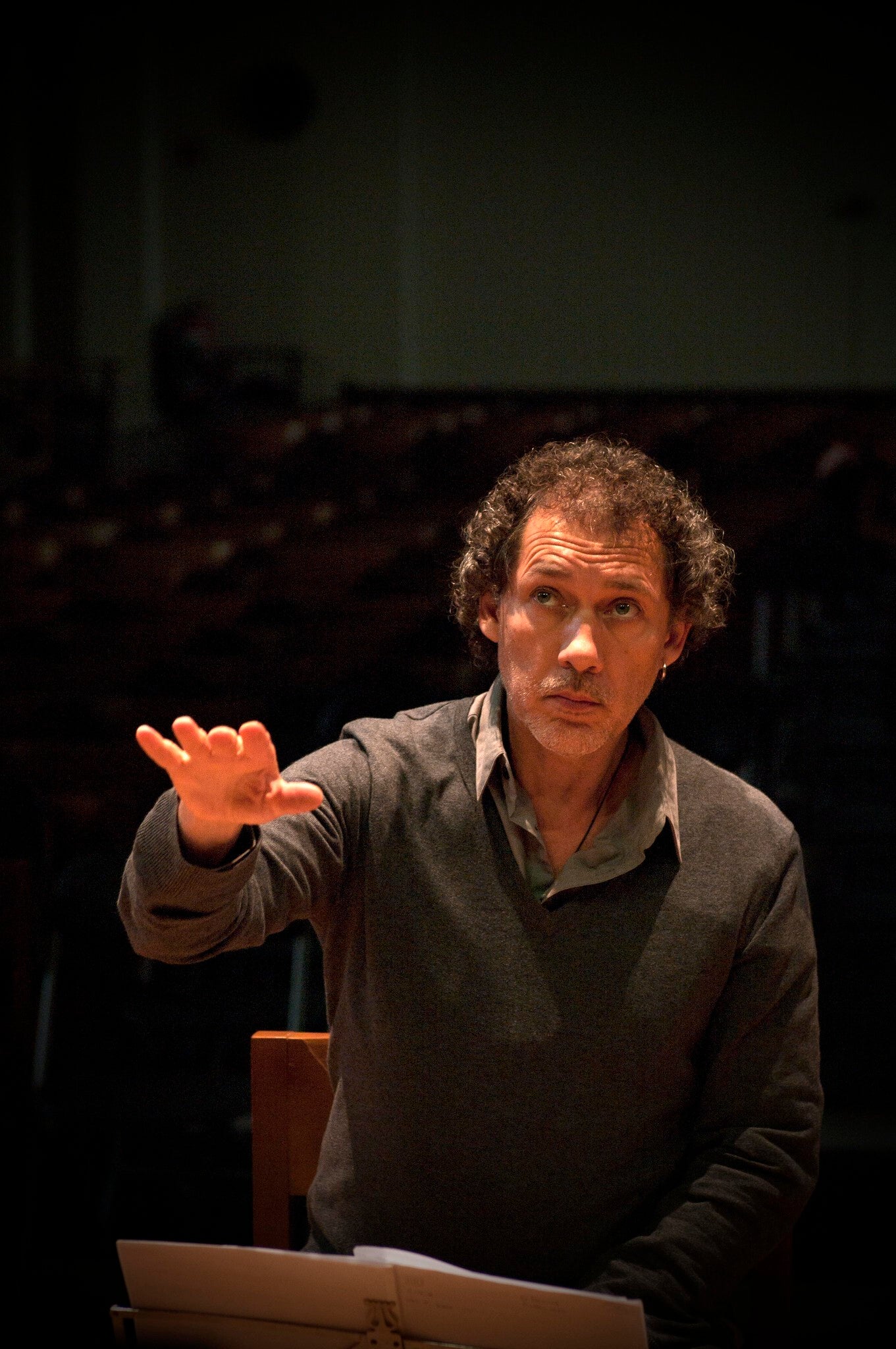
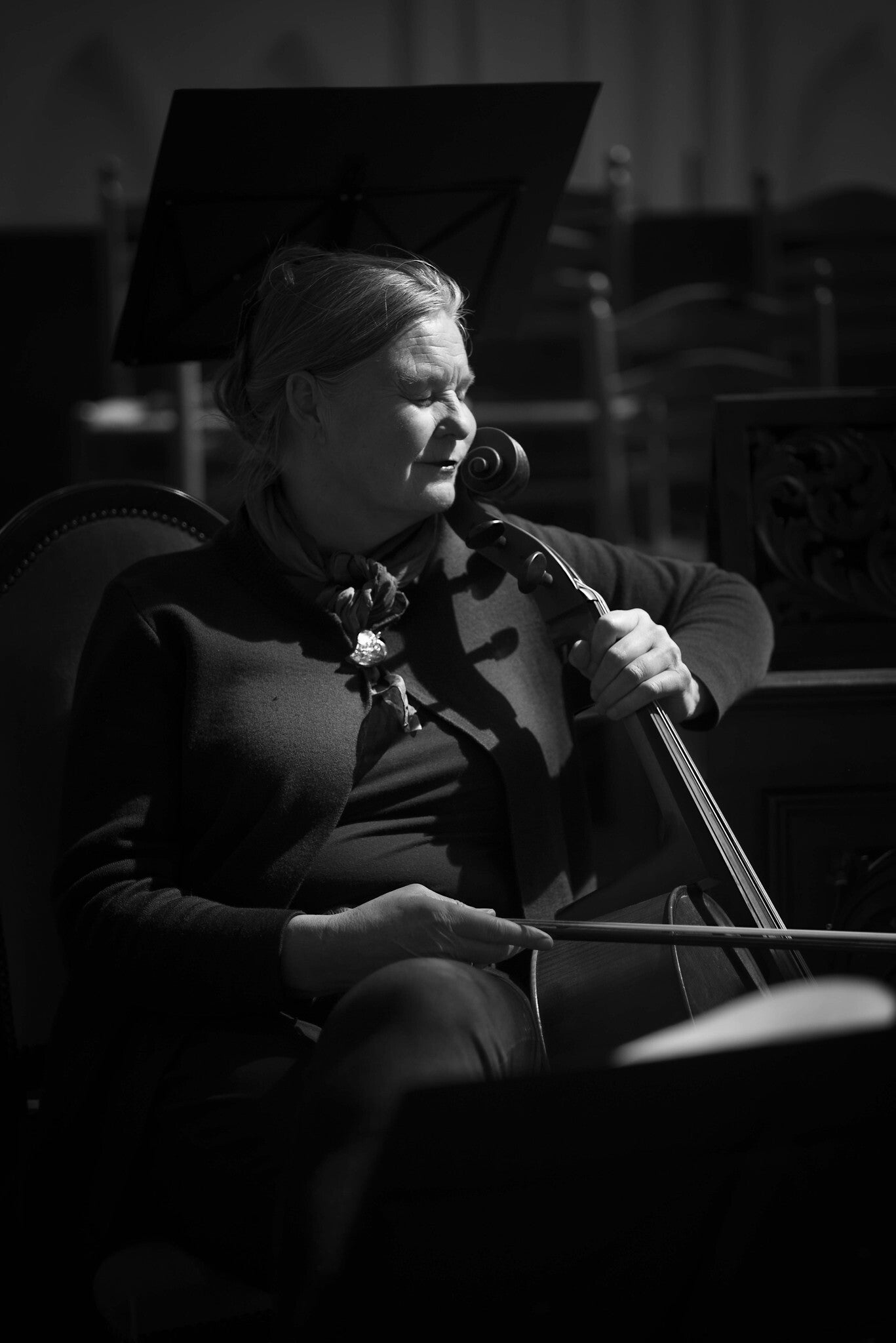
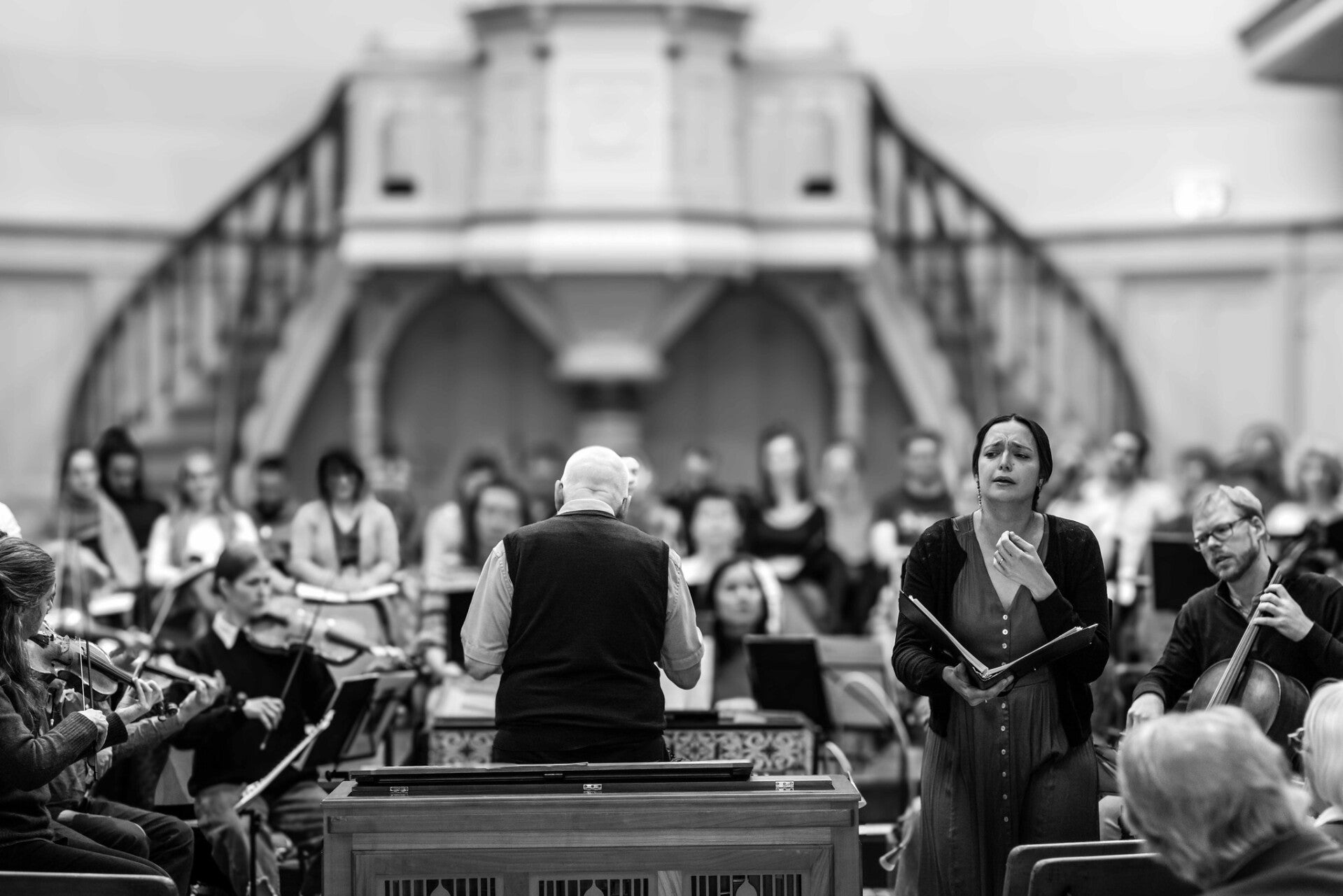
The first lens a Pentax photographer should highlight is of course the Super-Takumar 1:1.4/50. So, 50 mm is the standard focal length for a full frame (D)SLR lens of any brand, and rightly so since it covers more or less what the human eye naturally sees. In the sixties of the last century, to be exact, in the year of my birth, 1964, Asahi optical company, Japan, wanted to build a lens that could compete with the Carl Zeiss Planar 1:1.4/50, but for a fraction of the price. All possible means were assembled to build it and the first version was an eight element lens that turned out to be so expensive to build it almost ruined Asahi Pentax. They soon reverted to building a cheaper, 7 element version, that was sold until 1975. I was happy to acquire a 7 element version and kept searching for years to find the 8 element for a reasonable price. Finally I was lucky to find one when I was on tour in the US with Cappella Pratensis, in an antique shop in North Adams, MA. I immediately took some pictures (see below) of the rehearsal and the garden of the hotel and use it regularly to my great satisfaction. I also added a few images from rehearsals of a programme with Nederlandse Bachvereniging. The Bokeh of this lens is extremely creamy and the separation with the subject in focus very strong. Colours are warm, due to the thorium element, which is lightly radioactive. No danger, unless you shatter the rear glass element and ingest the glass parts. I did some de-yellowing of the glass with a UV light lamp.
Pros: Incredible detail
Warm colours
Smooth focusing ring
Sturdy metal build
Amazing OOF areas
Expressive flare
Cons: flare if you do not like it
loss of contrast when backlit
Expensive, rare
You can click on the image for more detail, and move it around using two fingers, when using a laptop, like my Macbook pro, or double-clicking on iPhone.
Update January 30 2025:
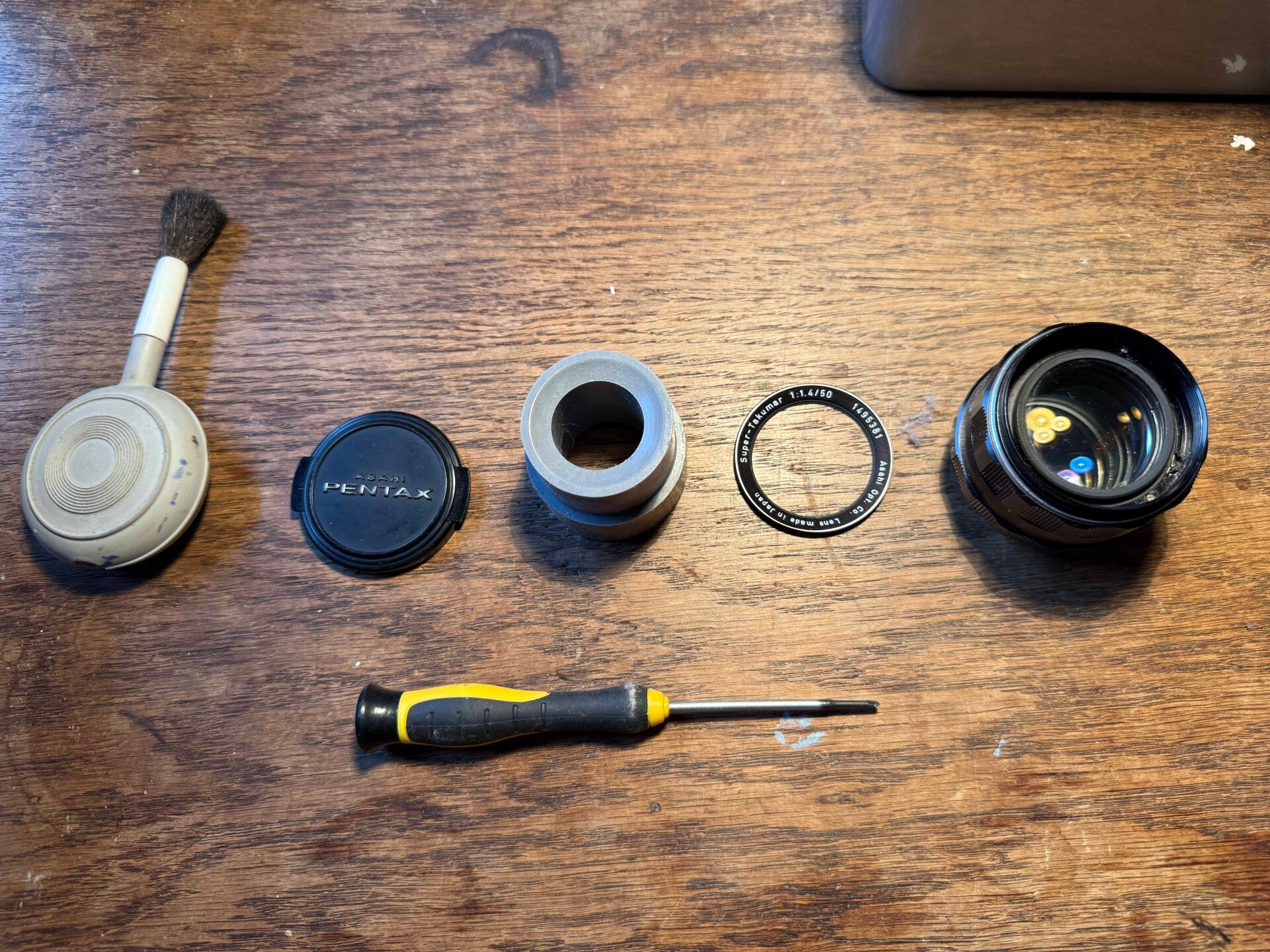
the front element of this lens had come unfastened and started to show quite a bit of mechanical clearance. I had not serviced the lens since I bought it in April 2023, so it was time to have a look. The bezel, the front ring which contains the information about the lens specifications, came off easily by pressing and turning the tailored rubber ring, and it was an easy one because I only needed to tighten three tiny screws that keep the front element in place and it was good to go. I removed some dust and the 60 or so year old beauty of a lens was as new again. I add an iPhone picture of the lens during service and a portrait of Lou, our cat, taken with the Tak, right after finishing the job.